Spout & Sink
Install it, replace it, or work out why it stopped
Organized by task, not by date, because a faucet install guide does not go stale and should not get buried under a blog feed. Every guide includes the honest point at which to call a plumber.
These guides are grouped by the job in front of you: installing, replacing, troubleshooting, or keeping something clean. They are reference pages rather than posts, which is why this section is not a blog — an install guide that gets pushed down a reverse-chronological feed is a guide nobody finds, and the procedure for fitting a kitchen faucet has not changed in twenty years.
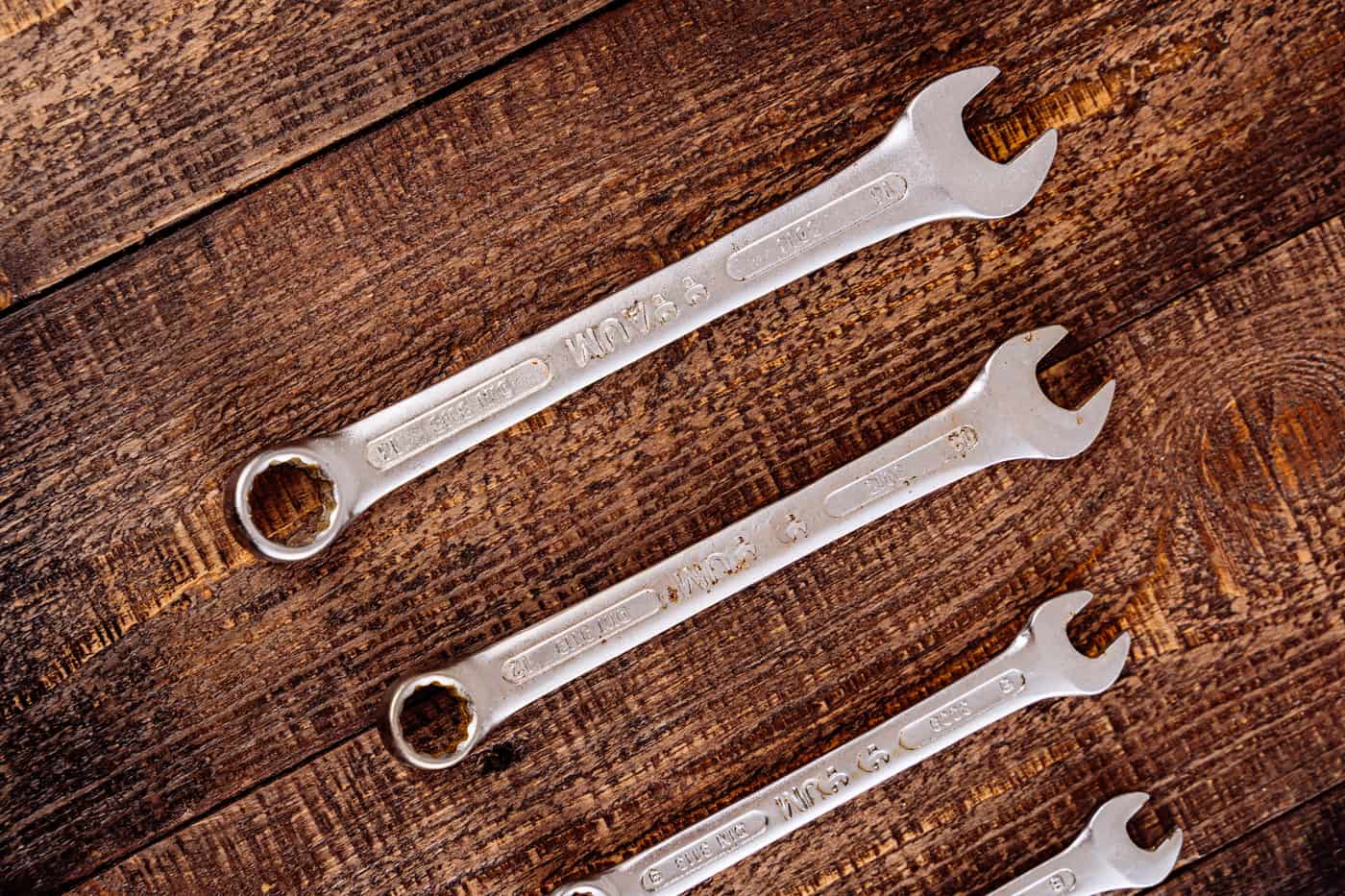
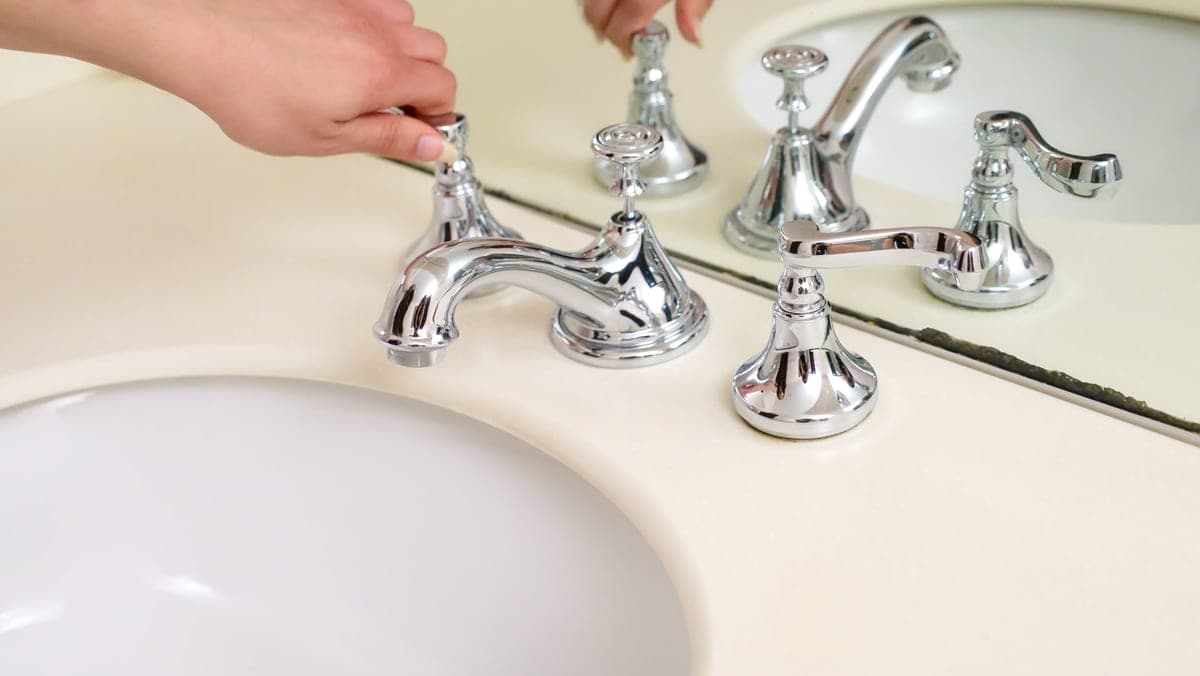
Every install guide here branches by configuration, because that is where generic instructions fail. A faucet install differs by hole count. An undermount sink install differs completely between quartz, laminate and butcher block. A disposal install depends on whether there is a switch and whether you have a dishwasher inlet to connect. Each guide states its tools and parts up front, because the commonest reason a Saturday job becomes a Sunday job is a missing basin wrench.
Replacement is not installation done twice. Removing an old fixture means corroded nuts, a mounting ring that will not turn, and the question of which existing parts you can keep. Our replacement guides cover what is reusable — often the sink flange and mounting assembly within the same brand — and what should be replaced as a matter of course, like supply lines and plumber's putty.
The troubleshooting pages rank causes by how common they actually are, so the first fix you try is the one most likely to work. They also start with the safety step rather than burying it: on anything involving a disposal, the power goes off at the breaker before a hand goes near the chamber. Where the honest answer is that a repair is not worth it, the page says so and points at the replacement guide instead.
Most kitchen sink damage is self-inflicted with cleaning products. Steel wool leaves iron particles in a stainless basin that then rust and look like the sink is rusting. Bleach left standing in a composite sink will mark it. Abrasive cream on a brushed finish polishes it unevenly. The care guides are as much about what to stop doing as what to start.
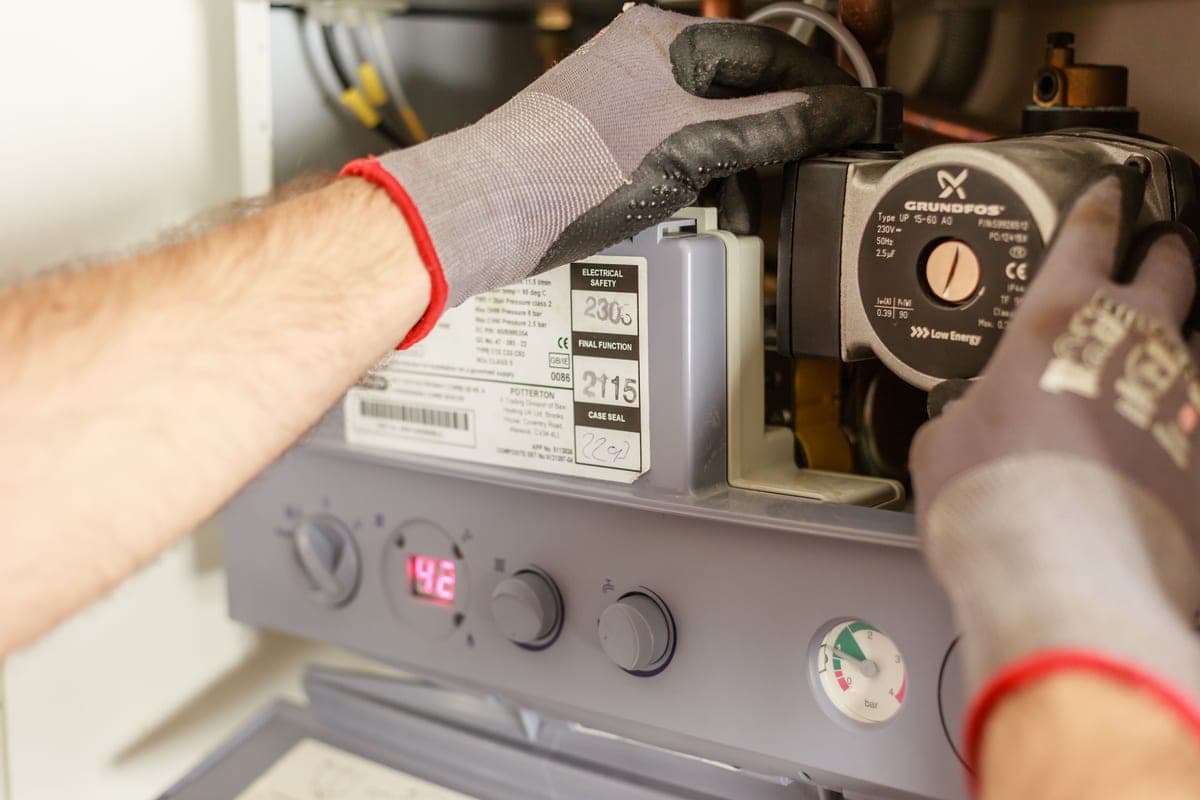
Every guide here includes that line, and it is not boilerplate. Soldering, moving a drain line, cutting into a stone countertop, or anything behind a wall is trade work. So is any electrical work beyond plugging a cord into an existing outlet. The guides are written for the jobs that genuinely are a Saturday afternoon, and they say plainly when yours is not one of them.