Guides
Do you need a plumber to install a kitchen faucet?
Most faucet swaps are a self-contained job between two shut-off valves. The honest answer depends on five specific things in your cabinet, not on your skill.
Disclosure: we earn a commission if you buy through the Amazon links on this page, at no extra cost to you. Commission never decides a verdict or a ranking position — read our editorial policy and affiliate disclosure.
How we assessed these: this page is about the scope of the job, not its price. We publish no labor rates, because they vary by market and no manufacturer or trade body publishes a figure we could cite. Every product specification here is linked to the maker's own page. Where a manufacturer does not publish how long an installation takes — and none of them do — this page says so rather than estimating it.
Short answer
In most kitchens, no. Replacing a kitchen faucet is a self-contained job between the two shut-off valves under the sink: no soldering, no permit, no work on the house's pipework. It becomes a plumber's job when there are no working shut-off valves, when the supply stubs are corroded or galvanized, when the mounting nuts will not move, when the sink needs new holes drilled in stone, or when a sensor faucet needs an outlet that does not exist yet.
The reason this question gets a vague answer everywhere is that the honest one depends on five things, all of which you can check in about ten minutes with a flashlight. Check them first. The decision then makes itself, and you will not be the person who discovers the problem with the old faucet already off and the water still running.
What the job actually consists of
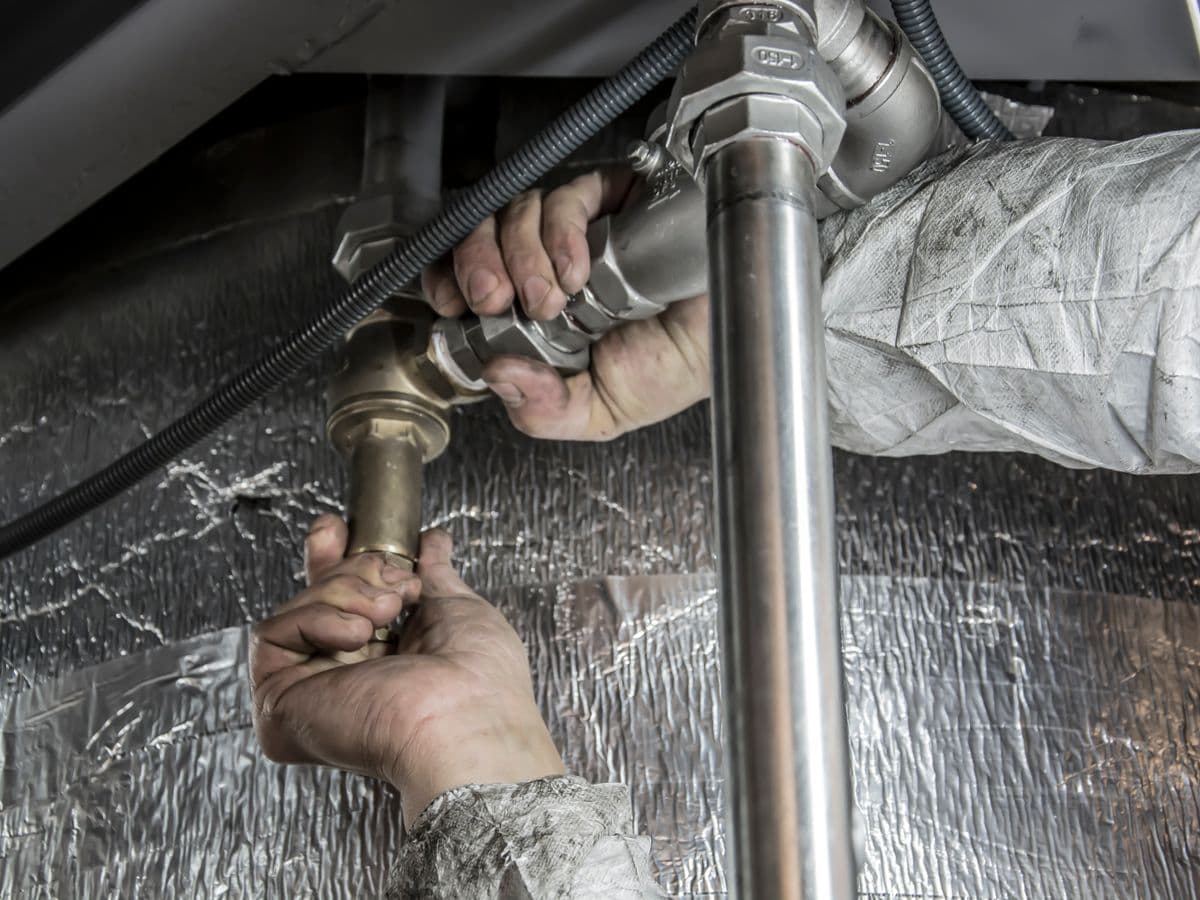
Shut both valves. Open the faucet to drain the lines. Disconnect the two supply lines at the valves. Undo the mounting nuts behind the sink, which is the hard part. Lift the old faucet out. Set the new one through the deck with its gasket or a bead of plumber's putty, tighten its mounting hardware from below, connect the supply lines, fit the pull-down wand and counterweight if there is one, open the valves and check every joint for weeping.
Nothing in that sequence touches the building's plumbing. That is why faucet replacement is the single most commonly self-performed plumbing job in American kitchens, and it is why the step-by-step is worth reading before you decide: how to install a kitchen faucet has the full procedure, including the branches for single-hole and three-hole sinks.
The five conditions that make it a plumber's job
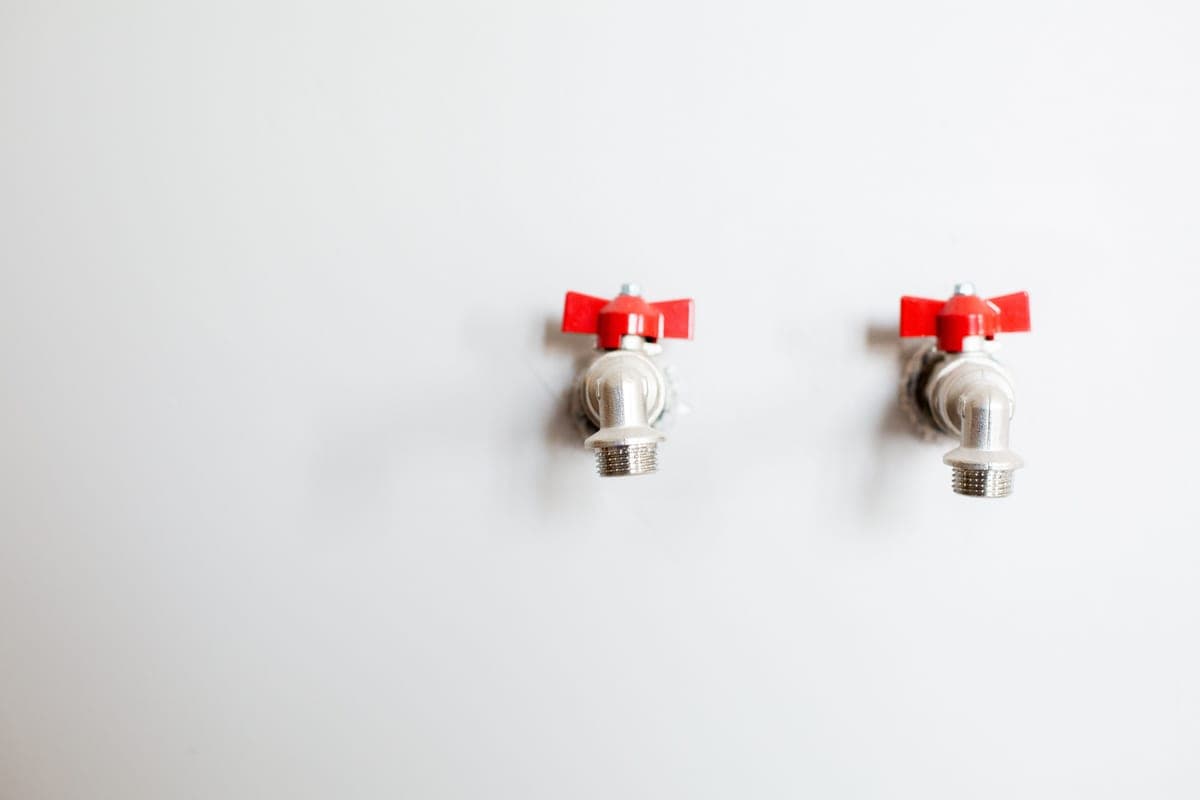
- No shut-off valves, or valves that do not shut off. If the only way to stop the water is the main, or if the angle stops weep when you close them, you are replacing valves — and that is a soldered or compression joint on the house's pipework, which is a different job with a different risk.
- Galvanized or corroded supply stubs. A corroded stub can shear off inside the wall when you put a wrench on it. If what comes out of the wall is not copper, PEX or a modern braided connector, stop.
- Mounting nuts that will not move. Thirty years of hard water turns a plastic or brass mounting nut into a solid object. A basin wrench and penetrating oil solve most of these; the rest need a nut splitter and the willingness to destroy the old faucet, which a plumber will do without hesitating.
- New holes needed in stone. Adding a hole for a soap dispenser or an air switch in granite or quartz is a diamond bit, water cooling and a steady hand. A cracked countertop costs vastly more than the faucet.
- A sensor faucet with no outlet. A mains-powered touchless faucet needs an unswitched GFCI outlet under the sink. That is an electrician rather than a plumber, and it is a separate trade visit either way.
What to look for in the faucet itself
Two published features decide how hard the job is, and both are stated on the manufacturer's page before you buy. The first is how the supply lines connect. Delta ships integrated InnoFlex PEX lines pre-attached at the valve on the Leland 9178, with a 3/8-inch compression connection at the other end — the standard American sink fitting. A pre-attached line is two joints you never make blind at the back of a cabinet, and a joint you do not make cannot weep.
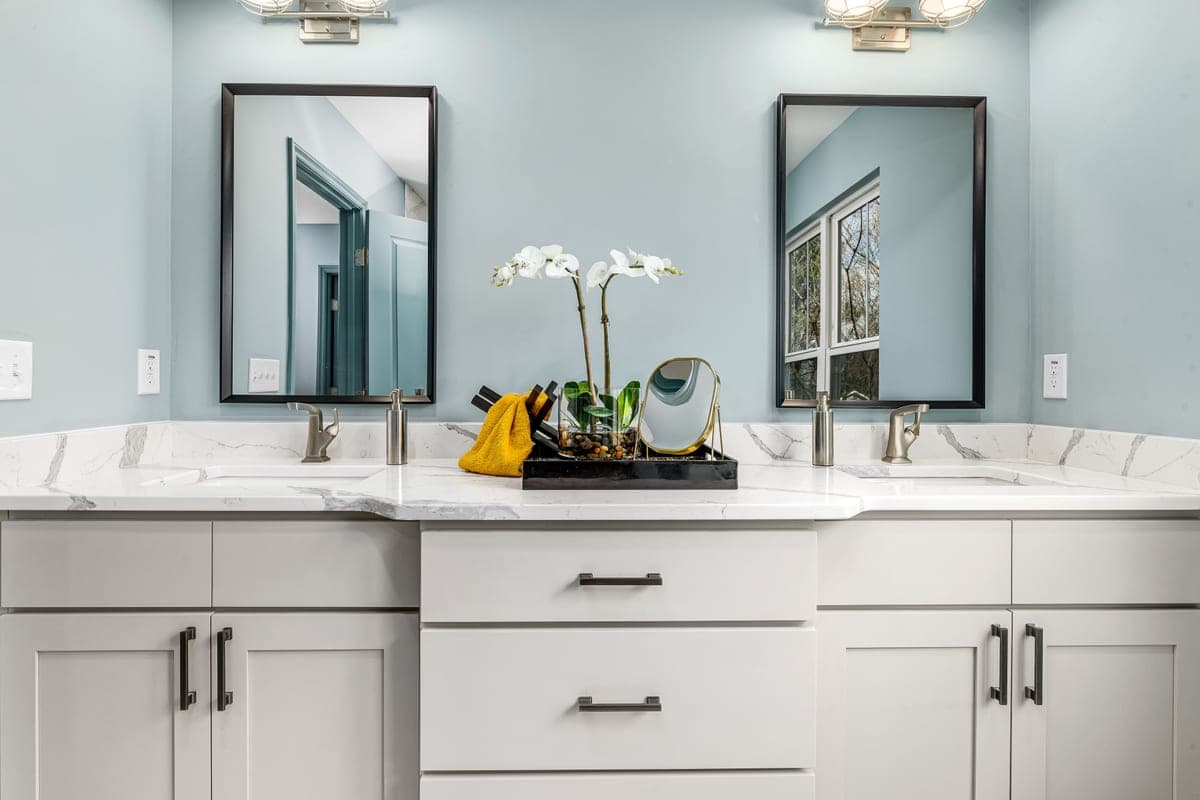
Moen publishes Duralock quick connect on the Arbor 7594: the hose joins the valve body by push-fit rather than a coupling you tighten by feel, lying on your back. The second feature is the deck plate. Both of those faucets include one, which means a single-hole faucet covers an existing three-hole sink with no extra order and no new holes — and new holes are condition four on the list above. The easiest kitchen faucets to install ranks faucets on exactly these connections.
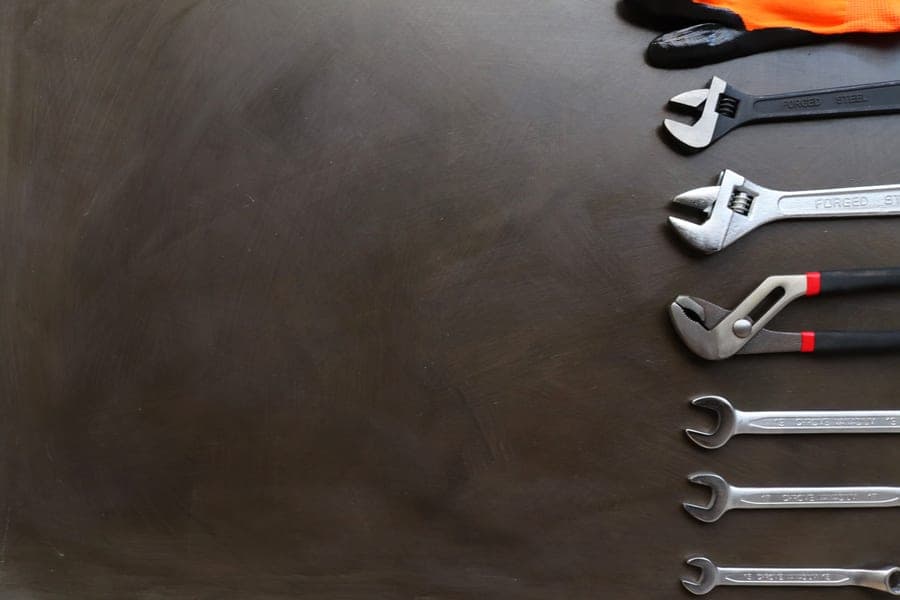
Photograph shows the product category, not this specific unit. We do not republish manufacturer product photography.
1. The tool that decides the job
RIDGID Model 1017 telescoping basin wrench
RIDGID · Best for any faucet removal or install
The one tool that decides whether a faucet swap is a two-hour job or a six-hour one. Faucet mounting nuts sit behind the sink where no normal wrench reaches; a basin wrench's spring-loaded head ratchets one-handed in that space. The telescoping shank is what gets you from a shallow vanity to a deep kitchen cabinet.
Published specifications
What works
- The 10-to-17-inch telescoping shank covers both a shallow bathroom vanity and a deep kitchen base cabinet
- One-handed ratcheting matters, because the other hand is holding a flashlight
- Alloy steel jaws grip a plastic mounting nut without crushing it
- The head locks at an angle, which is how you reach a nut behind a disposal
What does not
- A single-purpose tool that lives in a drawer between faucet jobs
- A badly corroded nut still needs penetrating oil and patience, not a better wrench
- No substitute for clearing the cabinet out before you start
Skip it if
Skip it if a plumber is fitting the faucet — they own one, and you would use yours perhaps twice a decade.
#ad Affiliate link · We publish no price; Amazon shows the current one
Raw specifications: RIDGID’s own page for the RIDGID Model 1017 telescoping basin wrench.

Photograph shows the product category, not this specific unit. We do not republish manufacturer product photography.
2. Easiest mainstream faucet to fit
Delta Leland 9178-AR-DST
Delta · Best for most kitchens, one or three holes
The pull-down we would fit in most kitchens, because the two parts that usually fail first on a pull-down are the two Delta engineered around: the docking mechanism and the valve. MagnaTite pulls the wand back into the spout with a magnet instead of relying on a friction collar, and Diamond Seal keeps water off the valve. It ships with a deck plate, so it covers a three-hole sink or mounts through one.
Published specifications
- Flow rate
- 1.8 gpm source
- Spout height
- 7-7/8" deck to outlet source
- Spout reach
- 9-3/16" source
- Overall height
- 14-7/8" source
- Mounting
- Single hole; deck plate included for three-hole sinks source
- Supply lines
- Integrated InnoFlex PEX, pre-attached at the valve source
- Connection
- 3/8" compression source
- Warranty
- Delta limited lifetime source
- Lead compliance
- Meets NSF/ANSI 61 source
What works
- MagnaTite docking is a magnet, not a friction fit — a wand that stops seating is the most common pull-down complaint, and a magnet does not wear the way a plastic collar does
- Spout reach of 9-3/16" clears the far side of a standard 22-inch front-to-back sink
- Diamond Seal keeps water off the valve, which is what the lifetime warranty is really protecting
- Deck plate in the box, so a three-hole sink needs no extra part
What does not
- 1.8 gpm is higher than the 1.5 gpm most competitors now ship, which matters if your area caps flow rate
- Zinc body rather than brass — normal at this price, but this is not a forever faucet
- No independent lab publishes durability figures for this model, so we cannot tell you how the finish looks at year five
Skip it if
Skip it if your sink is a shallow bar sink: at 14-7/8" overall the arc will splash in a basin under about seven inches deep.
#ad Affiliate link · We publish no price; Amazon shows the current one
Raw specifications: Delta’s own page for the Delta Leland 9178-AR-DST.
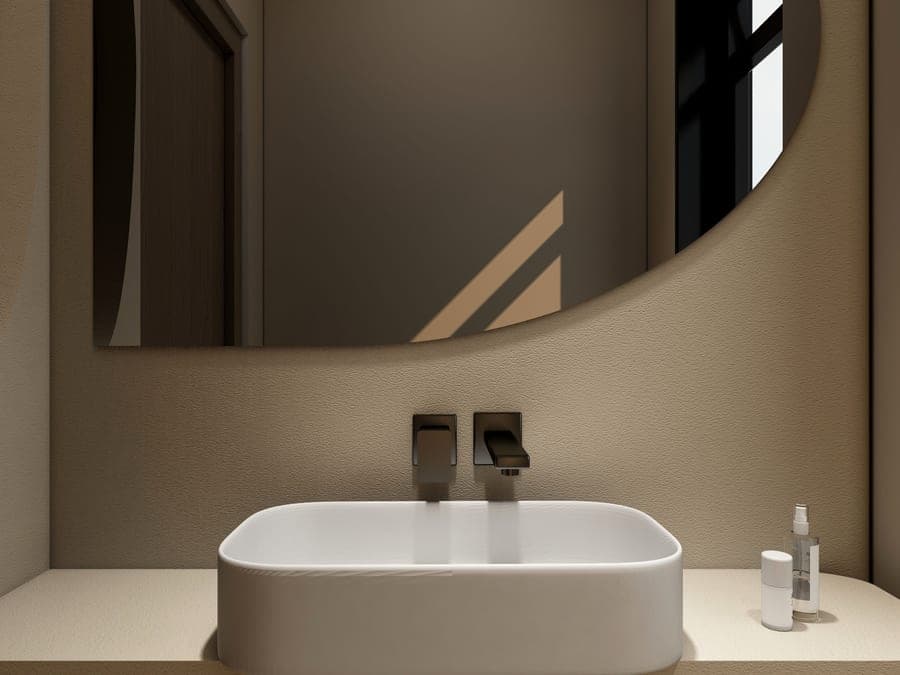
Photograph shows the product category, not this specific unit. We do not republish manufacturer product photography.
3. Easiest connection system
Moen Arbor 7594
Moen · Best for deep pots and hard-water kitchens
The pull-down to buy if you want the taller arc and a finish that hides water spots. Its 8-1/4" spout height is about half an inch more clearance than the Leland, which is the difference between washing a stock pot and fighting one. The tradeoff is reach: 7-7/8" against 9-3/16", so it works closer to the back of the bowl.
Published specifications
What works
- The 8-1/4" spout height is genuine pot clearance, not decorative arc
- Power Boost concentrates the stream for filling and rinsing without raising the rated flow
- Spot Resist Stainless is the single most useful finish choice in a hard-water house
- Reflex docking has been in Moen's line long enough that replacement wands are easy to find
What does not
- Reach is 7-7/8", over an inch shorter than the Leland — on a wide double bowl you will notice
- Moen publishes no independent noise or durability measurement, and neither do we
- The spot-resist coating is a finish, not armor; abrasive cleaners still dull it
Skip it if
Skip it if you have a wide double-bowl sink and want one faucet to reach both drains comfortably — buy reach instead of height.
#ad Affiliate link · We publish no price; Amazon shows the current one
Raw specifications: Moen’s own page for the Moen Arbor 7594.
The one tool that decides the whole thing
A basin wrench. Faucet mounting nuts sit directly behind the sink bowl where no normal wrench reaches, and a basin wrench's spring-loaded head ratchets one-handed in that space — which matters, because the other hand is holding a flashlight. The RIDGID 1017 telescopes from 10 to 17 inches, takes 3/8-inch to 1-1/4-inch nuts, and its head locks at any angle up to 90 degrees, which is how you get at a nut sitting behind a disposal.
Without one, people reach up there with pliers, round the nut, and then genuinely do need a plumber. It is the difference between a two-hour job and a six-hour one, and it is the cheapest insurance in this entire project. If a plumber is doing the work, skip it — they own one, and you would use yours perhaps twice a decade.
What a plumber brings that you do not
- Valve replacement without drama. Angle stops are routine work for a trade and a genuine escalation for a homeowner.
- A nut splitter and no attachment to the old faucet. Seized mounting hardware stops being a problem when destroying it is an option.
- Liability for the joint. If a supply connection weeps into the cabinet two weeks later, whose problem it is depends entirely on who made it.
- One visit for several jobs. If the disposal, the strainer or the trap also want attention, the marginal cost of adding them is small.
That last point is the practical one. If you are replacing the sink as well as the faucet, or fitting a disposal at the same time, the calculus changes — a sink swap involves the countertop or the cabinet, and how to install an undermount sink and how to install a garbage disposal are both bigger jobs than the faucet on top of them.
Before you commit either way
- Open and close both shut-off valves. If either fails, call a plumber.
- Look at what comes out of the wall. Copper, PEX or braided is fine; galvanized is not.
- Count the holes in your sink and compare them with the faucet you want. Fewer holes needed is always better than more.
- Check whether a deck plate is in the box for the faucet you have chosen.
- Buy or borrow a basin wrench before the faucet arrives, not after you are under the sink.
- If the faucet is a mains-powered sensor model, confirm the outlet exists first. That is an electrician, not a plumber.
No manufacturer publishes how long a faucet installation takes, so we will not print a figure. What we can tell you is that the variable is almost never the new faucet — it is the condition of what is already under your sink. If the drip you are trying to fix has not yet become a replacement, kitchen faucet leaking diagnosis and how to replace a faucet cartridge may save you the whole job.
What to take away
- A faucet swap is self-contained between the two shut-off valves. No soldering, no permit, no work on the house's pipework.
- Check that both shut-off valves actually close before you buy anything. A failed valve is the commonest escalation.
- Galvanized or corroded supply stubs are a stop sign — they can shear inside the wall.
- Buy a faucet with pre-attached supply lines or quick connect, and with a deck plate in the box.
- A basin wrench is the difference between a two-hour job and a six-hour one.
- Drilling new holes in stone, and fitting a mains-powered sensor faucet, are both separate trades.
- Nobody publishes how long the job takes or what it costs, so this page states neither.
How we sourced this page
Every figure on this page came from one of the following. Where a manufacturer or an independent lab does not publish a number, we say so rather than estimate it.
Common questions
- Can I install a kitchen faucet myself?
- In most kitchens yes. The job happens entirely between the two shut-off valves under the sink, with no soldering and no permit, and the main risks are a seized mounting nut and a shut-off valve that will not close. Check both of those before you start and the rest is a two-wrench afternoon.
- How hard is it to replace a kitchen faucet?
- The faucet is easy; the access is not. Mounting nuts sit behind the bowl where only a basin wrench reaches, and decades of hard water can seize them. Choose a faucet with pre-attached supply lines or quick connect, borrow a basin wrench, and clear the cabinet out before you get under there.
- When should I call a plumber for a kitchen faucet?
- When the shut-off valves do not close or weep afterwards, when the supply stubs are galvanized or corroded, when the mounting nuts will not move, or when the job needs new holes drilled in a stone countertop. A mains-powered sensor faucet with no outlet under the sink needs an electrician rather than a plumber.
- Do you need a permit to replace a kitchen faucet?
- Replacing a faucet like for like is maintenance rather than new plumbing work, so in most jurisdictions no permit is involved. Moving or adding pipework, or altering drainage, is a different matter — check with your local building department before any work that goes past the shut-off valves.
- What tools do I need to install a kitchen faucet?
- A basin wrench for the mounting nuts, an adjustable wrench for the supply connections, a bucket and towels, penetrating oil, plumber's putty or silicone if the faucet has no gasket, and a flashlight. A faucet with quick-connect hoses and pre-attached supply lines removes most of the rest.
More in Guides
Organized by task, not by date, because a faucet install guide does not go stale and should not get buried under a blog feed. Every guide includes the honest point at which to call a plumber.
Read next

How to
Install a kitchen faucet
Ten steps, branched by hole configuration, with the tools and parts list up front and the when-to-stop line stated plainly.
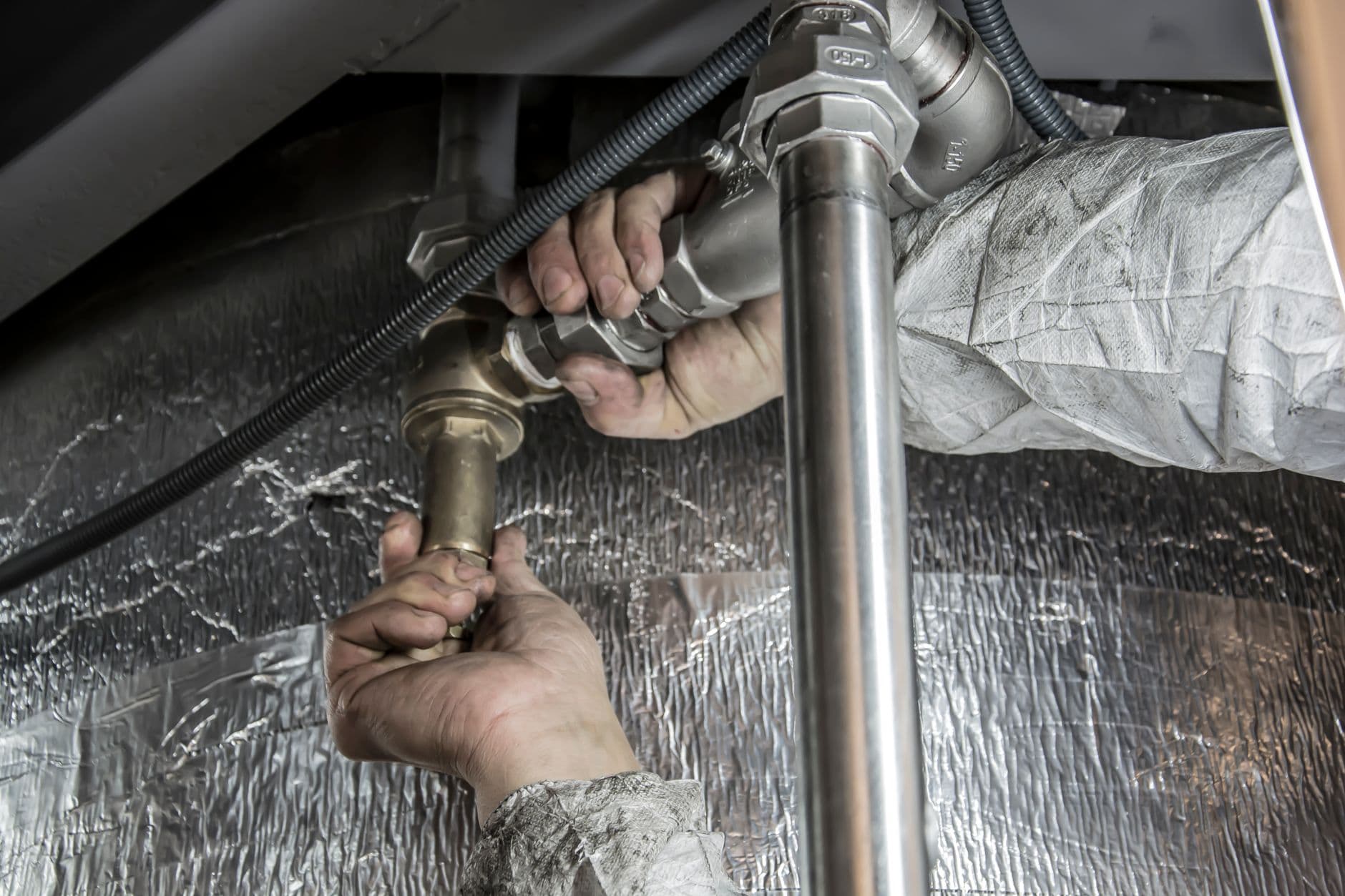
Easiest faucet to install
Easiest to install
Four faucets chosen on the connections you actually have to make under the sink, plus the one tool none of them removes the need for.
How to
Replace a faucet cartridge
Identify the cartridge, get the water off properly, and swap it — for single-handle and two-handle faucets.
Troubleshooting
Faucet leaking diagnosis
Four leak locations, four different causes, ranked by how common each one actually is.
Guide
Faucet hole configurations
What each drilling pattern accepts, the standard hole size, how deck plates work, and what adding a hole really involves.
Guide
How long do faucets last?
What wears out on a kitchen faucet and in what order — and why parts availability decides the real lifespan, not build quality.
Found something out of date, or a figure you can source better than we did? Tell us — corrections get read first. Our methodology explains how picks are made, and contact is one click away.