Kitchen Faucets
Kitchen faucet finishes, and what living with each one is like
Finish is the only faucet decision you interact with every single day. Here is what each one hides, what it shows, and which are coatings rather than metal.
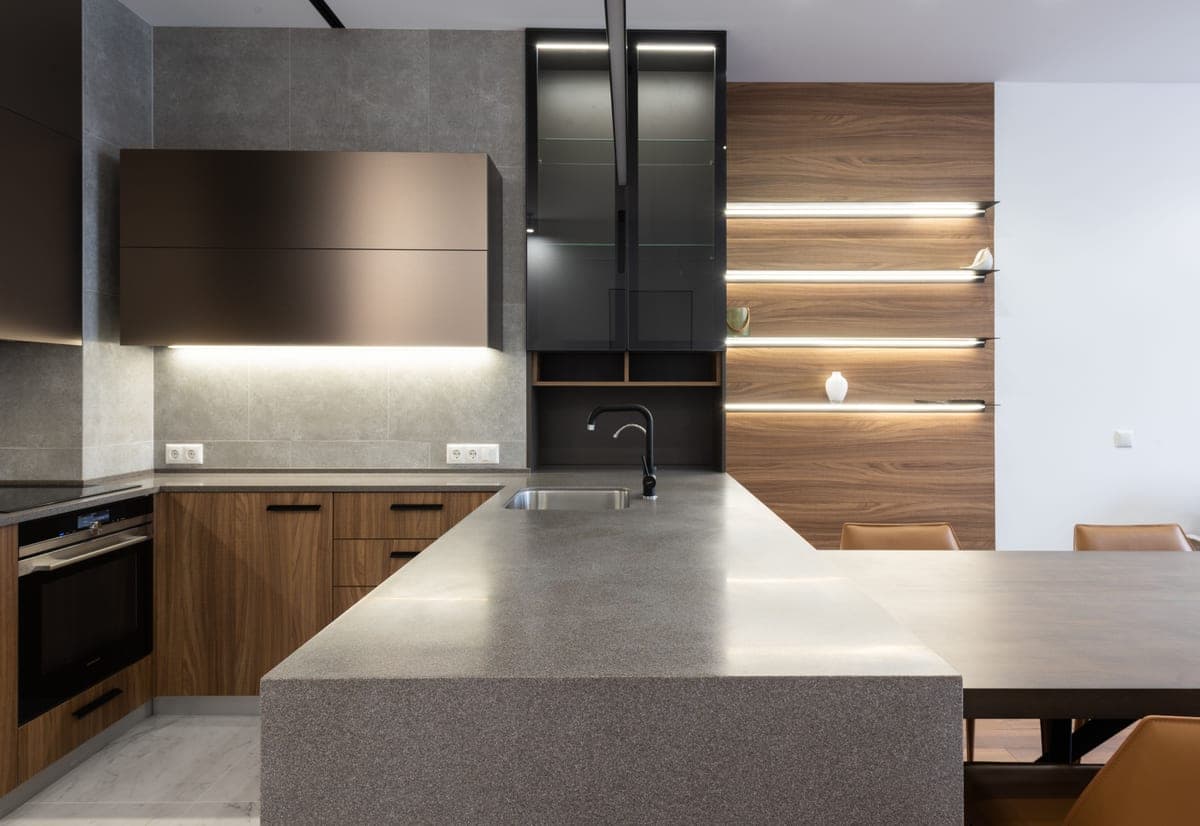
Disclosure: we earn a commission if you buy through the Amazon links on this page, at no extra cost to you. Commission never decides a verdict or a ranking position — read our editorial policy and affiliate disclosure.
Short answer
Brushed nickel and stainless hide water spots best and are the right default for hard water. Polished chrome shows every spot but cleans in a single pass. Matte black hides water and shows limescale as pale dust. Unlacquered brass is a living finish that changes color on purpose. Satin finishes forgive; mirror finishes reveal.
You will look at your faucet's finish several thousand times a year and wipe it several hundred. It is worth ten minutes of thought, and it is worth knowing that the differences are not only aesthetic — how a finish is applied determines how it wears.
How finishes are applied, and why it matters
- Electroplating deposits a thin metal layer (chrome, nickel) onto the body electrically. Long-established, inexpensive, and the layer is thin enough to wear through at high-contact points over many years.
- PVD (physical vapor deposition) bonds a much harder ceramic-metal layer in a vacuum chamber. Significantly more scratch- and corrosion-resistant than plating, which is why premium black and brass finishes are usually PVD.
- Powder coating sprays and bakes a polymer layer. Common on budget matte black. Durable enough in normal use, but it is paint: a sharp knock can chip it, and a chip shows the substrate.
- Living finishes (unlacquered brass, oil-rubbed bronze in its true form) are bare metal left to react. They will change, unevenly, wherever hands touch them. That is the point, and it is the wrong finish for anyone who wants consistency.
Manufacturers rarely state which process a given finish uses in plain language. "Spot resist" and similar branded names describe the surface behavior rather than the process. Where the process matters most — matte black and warm brass — it is worth asking, because a PVD black and a powder-coated black look identical in a photograph and behave differently against a dropped pan.
The finishes, one by one
| Finish | Hides water spots | Shows | Notes |
|---|---|---|---|
| Brushed / satin nickel | Very well | Very little; fingerprints if unsealed | The practical default, especially with a spot-resist layer |
| Stainless / spot-resist stainless | Very well | Very little | Matches stainless sinks and appliances most closely |
| Polished chrome | Poorly — it is a mirror | Every droplet and fingerprint | Cleans fastest of any finish, and the cheapest to produce |
| Matte black | Well | Limescale as pale dust; chips if powder-coated | Ask whether it is PVD or powder coat |
| Warm brass / champagne bronze | Reasonably | Depends entirely on the process used | PVD versions are hard-wearing; lacquered ones can wear through |
| Unlacquered brass | Not applicable — it patinates | Everything, and that is intentional | A living finish. It will not stay as delivered, by design |
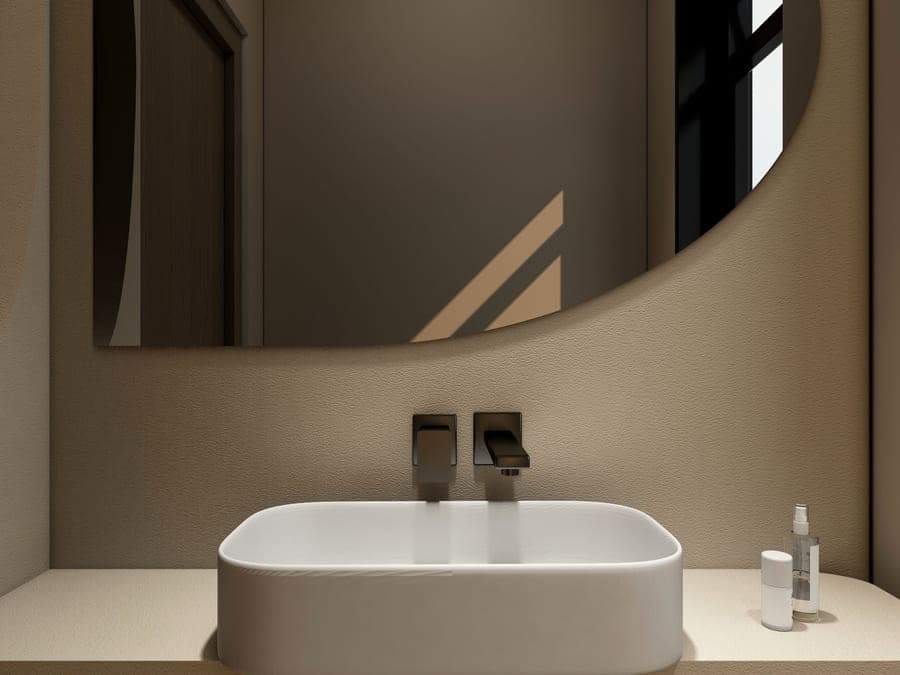
Photograph shows the product category, not this specific unit. We do not republish manufacturer product photography.
1. Best hard-water finish
Moen Arbor 7594
Moen · Best for deep pots and hard-water kitchens
The pull-down to buy if you want the taller arc and a finish that hides water spots. Its 8-1/4" spout height is about half an inch more clearance than the Leland, which is the difference between washing a stock pot and fighting one. The tradeoff is reach: 7-7/8" against 9-3/16", so it works closer to the back of the bowl.
Published specifications
What works
- The 8-1/4" spout height is genuine pot clearance, not decorative arc
- Power Boost concentrates the stream for filling and rinsing without raising the rated flow
- Spot Resist Stainless is the single most useful finish choice in a hard-water house
- Reflex docking has been in Moen's line long enough that replacement wands are easy to find
What does not
- Reach is 7-7/8", over an inch shorter than the Leland — on a wide double bowl you will notice
- Moen publishes no independent noise or durability measurement, and neither do we
- The spot-resist coating is a finish, not armor; abrasive cleaners still dull it
Skip it if
Skip it if you have a wide double-bowl sink and want one faucet to reach both drains comfortably — buy reach instead of height.
#ad Affiliate link · We publish no price; Amazon shows the current one
Raw specifications: Moen’s own page for the Moen Arbor 7594.
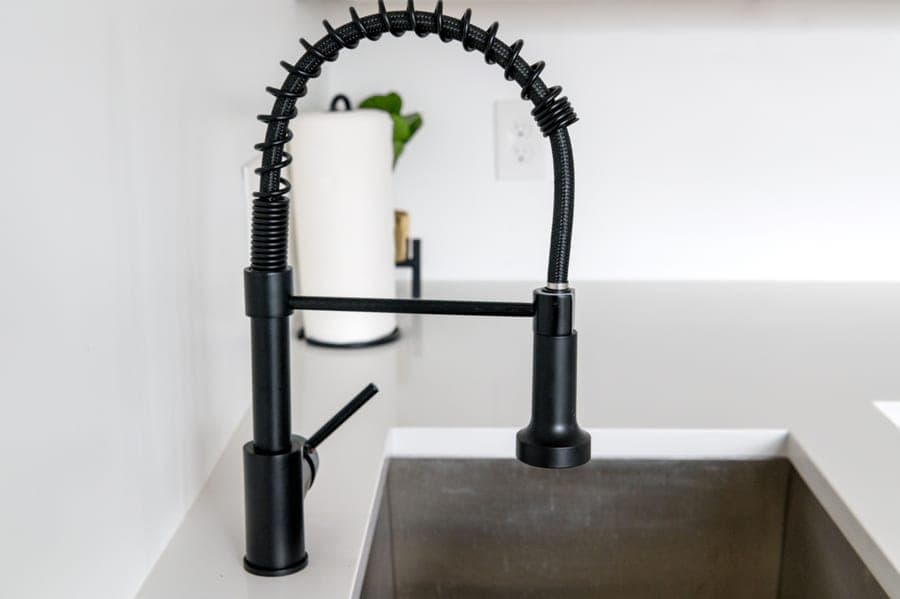
Photograph shows the product category, not this specific unit. We do not republish manufacturer product photography.
2. Best matte black option
Kraus Bolden KPF-1610
Kraus · Best for commercial look under a cabinet
A real coil-spring commercial-style faucet at a normal price, and short enough at 18 inches to fit under a standard upper cabinet — which is exactly where most commercial-style faucets fail. The spout is low at 6-3/8" and the reach moderate, so it suits a deep single bowl rather than a wide double.
Published specifications
What works
- At 18 inches tall it clears most upper cabinets, unlike the 24-inch-plus commercial faucets
- The exposed coil spring is the actual commercial mechanism, not a decorative sleeve
- Single-hole install with pre-attached lines and a counterweight in the box
- Kraus publishes dimensions for every finish variant, which is unusual at this price
What does not
- Coil springs collect grease and need wiping; that is the real ownership cost of the look
- 180-degree swivel, not 360 — plan which way the spout needs to face
- 6-3/8" spout height is low for a tall stock pot
Skip it if
Skip it if you have an apron-front sink with a high front rim — measure before committing to a low spout.
#ad Affiliate link · We publish no price; Amazon shows the current one
Raw specifications: Kraus’s own page for the Kraus Bolden KPF-1610.
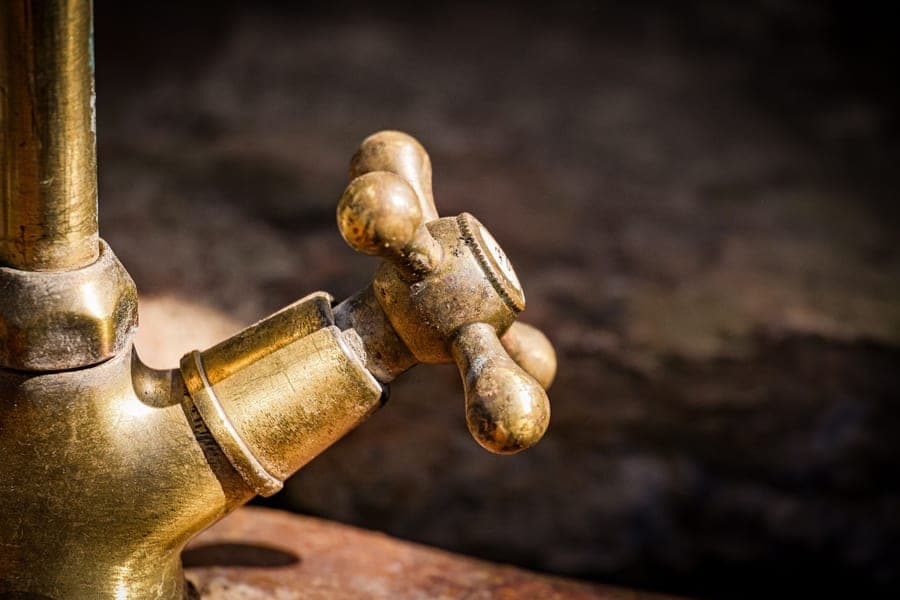
Photograph shows the product category, not this specific unit. We do not republish manufacturer product photography.
3. Best for warm metallics
Kohler Artifacts K-76519-4 bridge faucet
Kohler · Best for period kitchens with two deck holes
If you want a bridge faucet, buy one from a manufacturer that will still stock parts for it in ten years, because a bridge faucet is a two-valve assembly and the valves are what ages. This is a genuine two-hole bridge with a separate side sprayer, which is how the configuration is meant to work — not a single-hole faucet with a decorative crossbar.
Published specifications
What works
- A true bridge: the horizontal tube is the plumbing, which is the whole point of the style
- Two-hole spacing works on sinks drilled for a widespread set
- Kohler parts availability is the strongest argument for buying a bridge faucet from Kohler
- The side sprayer keeps spray duty off the spout, so the spout stays simple
What does not
- Two valves means two cartridges to replace instead of one
- Bridge faucets are the hardest style to clean around — the crossbar traps splash
- Kohler does not publish a flow rate for every finish of this model, so we do not state one
Skip it if
Skip it if your sink is drilled single-hole, or if you want a pull-down wand — bridge faucets and pull-down wands are mutually exclusive.
#ad Affiliate link · We publish no price; Amazon shows the current one
Raw specifications: Kohler’s own page for the Kohler Artifacts K-76519-4 bridge faucet.
Matching, and when not to bother
Matching a faucet exactly to a sink or appliances is harder than it sounds, because "stainless" from three manufacturers is three slightly different colors and textures. The approach that works is to match within a family rather than exactly: keep the faucet, soap dispenser and air switch from one brand so they agree with each other, and let the sink and the appliances be near neighbors rather than identical twins. Deliberate contrast also works well — a matte black faucet over a stainless sink reads as a decision, where a not-quite-matching stainless reads as a mistake.
How to clean each finish without ruining it
- All finishes: warm water, a soft cloth, and drying afterwards. That single habit removes most of the case for any specific finish.
- Brushed and satin: wipe along the grain, never across it. Avoid abrasive creams entirely — they polish the texture and leave a shiny patch that cannot be blended back.
- Polished chrome: any mild detergent, then dry. This is the one finish where a glass cleaner is genuinely useful.
- Matte black: mild soap only. No abrasives, no bleach, no vinegar soaking. Limescale comes off with a damp cloth and patience.
- Living brass: whatever you like, or nothing. Cleaning it resets the patina locally, which is either a feature or a nuisance depending on your taste.
If you have hard water, read this first
Finish choice is the single most effective response to hard water, and it is free at the point of purchase. A satin finish with a spot-resist layer plus a rubber-nub spray face will keep a faucet looking new for years in water that makes polished chrome look neglected in a fortnight. The full reasoning, and picks, are on best kitchen faucet for hard water and which finish hides water spots.
What to take away
- Satin and brushed finishes hide mineral deposits; mirror finishes show every one.
- For matte black and warm brass, ask whether the finish is PVD or a coating — they wear very differently.
- Never use steel wool or bleach on any finish. Iron particles rust in place and look like faucet corrosion.
- Match within a brand family rather than exactly across brands, or contrast deliberately.
How we sourced this page
Every figure on this page came from one of the following. Where a manufacturer or an independent lab does not publish a number, we say so rather than estimate it.
Common questions
- What is the most popular kitchen faucet finish?
- Brushed or satin nickel and stainless-look finishes dominate, for the practical reason that they hide water spots and fingerprints better than anything else and coordinate with stainless appliances. Matte black is the fastest-growing alternative.
- Is matte black hard to keep clean?
- It hides water extremely well and shows dried limescale as a pale film, so in hard water it needs wiping rather than scrubbing. The bigger question is the coating: powder-coated black can chip, while PVD black is considerably harder. Mild soap only, and no abrasives either way.
- Do brushed nickel faucets show fingerprints?
- Far less than polished chrome, and less again if the finish has a hydrophobic spot-resist layer. Wipe along the grain rather than across it, and skip abrasive creams — they polish the brushed texture unevenly and the patch never blends back.
- Will my faucet finish match my stainless steel sink?
- Approximately, not exactly. Stainless from different manufacturers varies in color and texture, so a near-match often looks like a mistake while a deliberate contrast looks like a choice. Match within one brand family across faucet, soap dispenser and air switch, and let the sink be a neighbor.
More in Kitchen Faucets
Nine times out of ten the faucet that fails you is the one that did not fit — wrong hole count, wrong reach, wrong finish for your water. Start with the measurements and the rest gets easy.
Read next
Guide
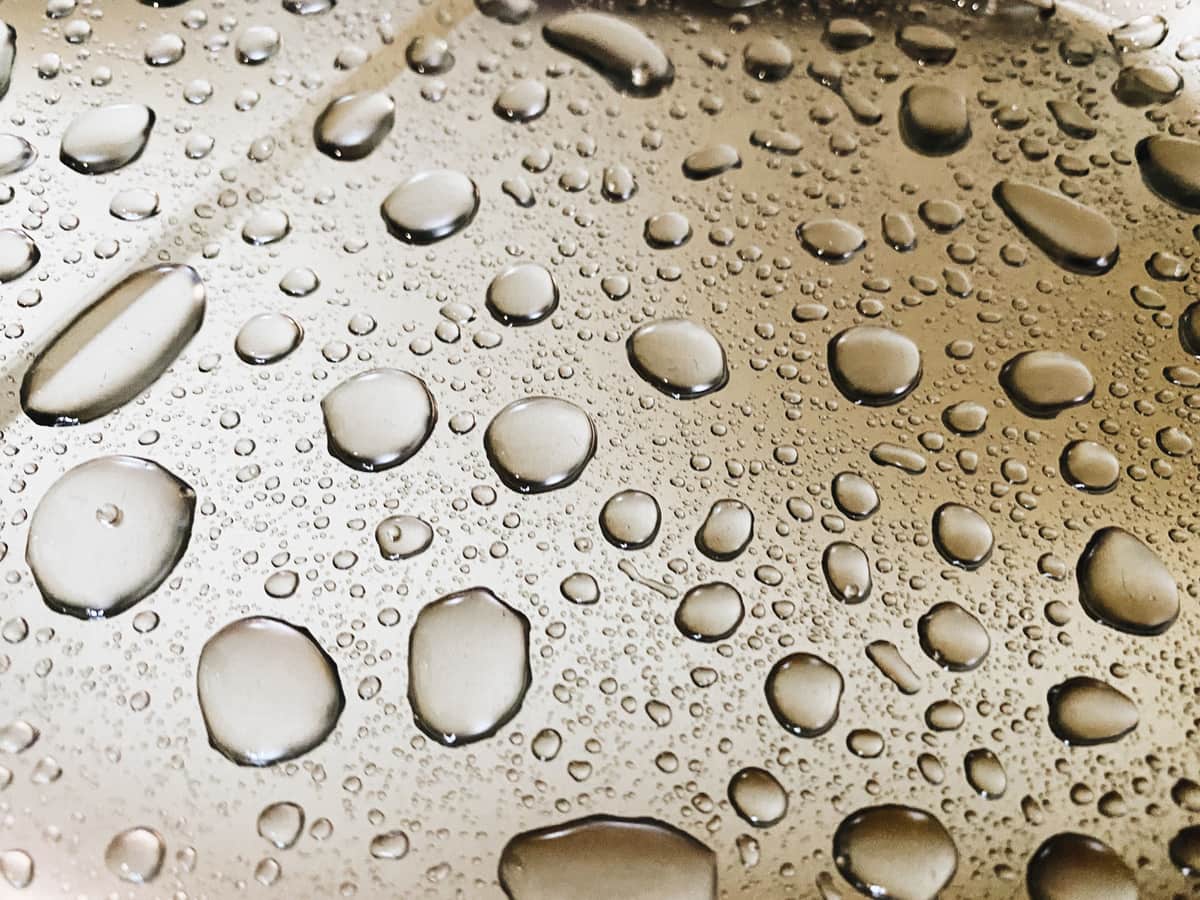
Which finish hides water spots
A ranked answer to the hard-water finish question, and why texture rather than brand decides what you see.
Best for hard water
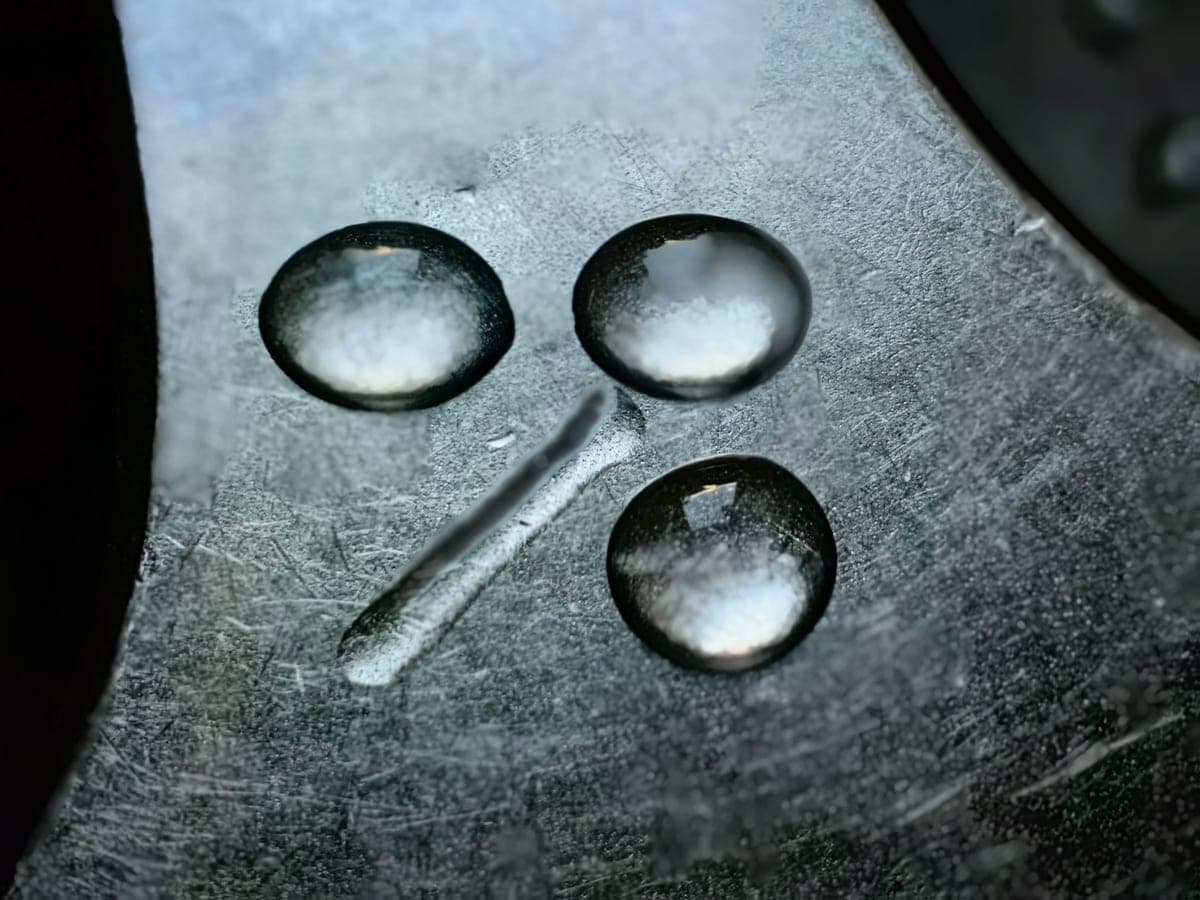
Best for hard water
Hard water spots the finish and scales the aerator. These picks address both, and the cheapest fix is a part you can already replace.
Best kitchen faucet
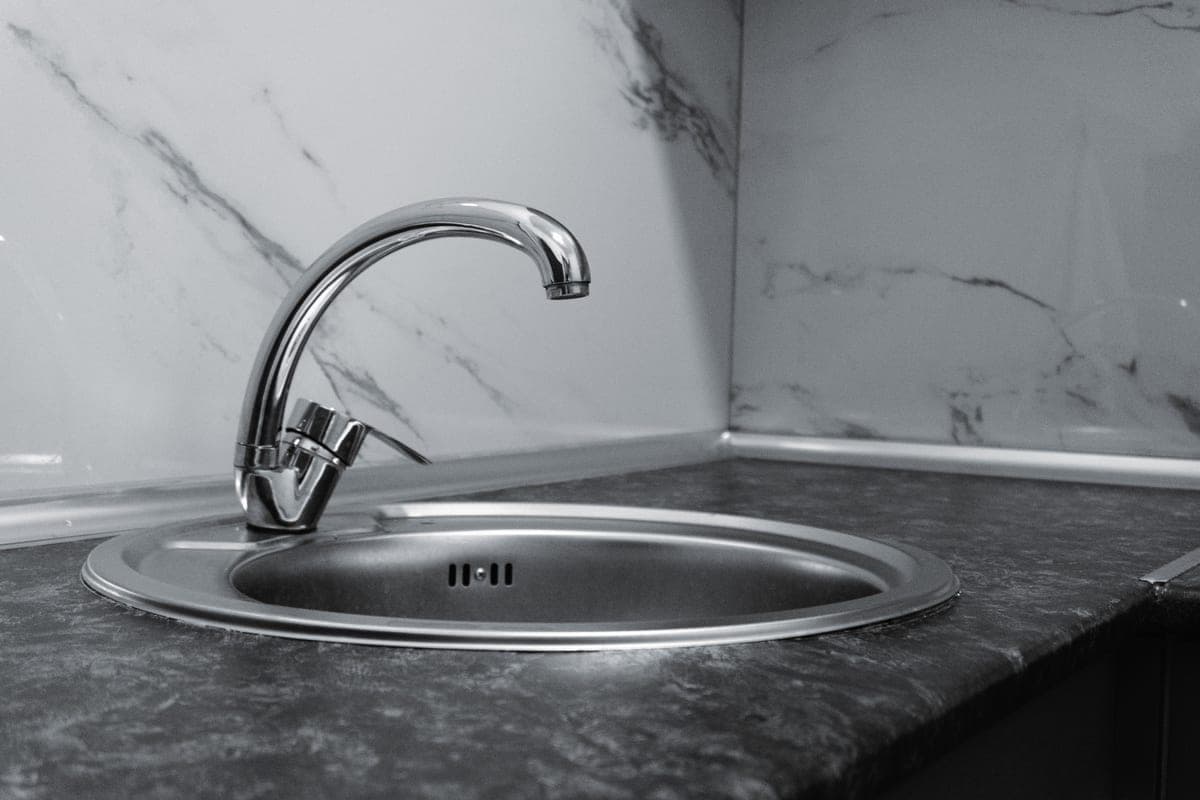
Best kitchen faucets
Five faucets covering the different jobs a kitchen faucet does, ranked on sourced specifications rather than brand.
Best commercial style
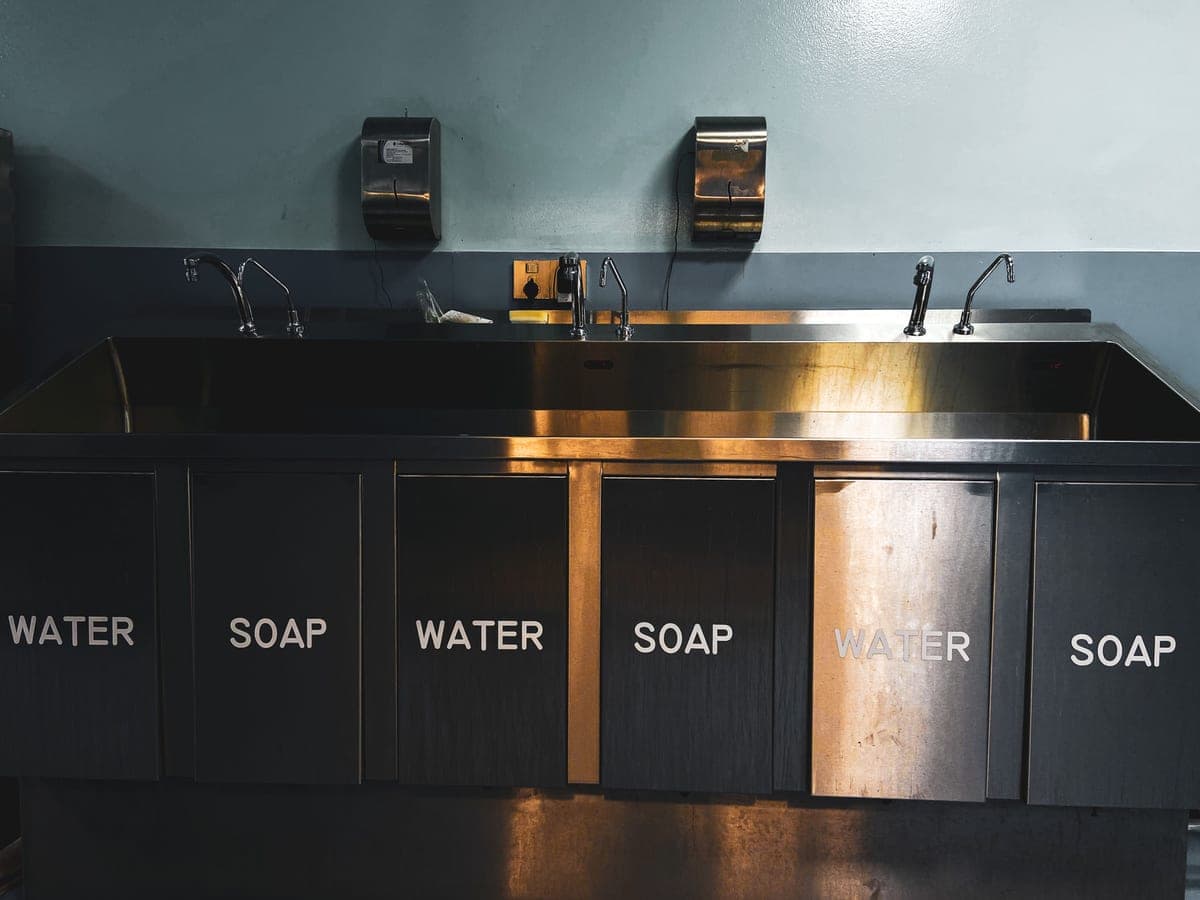
Commercial style faucets
The coil-spring look, what it costs you in cleaning, and the one measurement that sends most of them back to the store.

How to
Clean a stainless steel sink
The weekly method, what causes brown marks, and the products that permanently damage a brushed finish.
Found something out of date, or a figure you can source better than we did? Tell us — corrections get read first. Our methodology explains how picks are made, and contact is one click away.