Guides
What not to put in a garbage disposal
Twelve items, each for a different mechanical reason. Some jam the unit, some pass straight through and block the drain a month later.
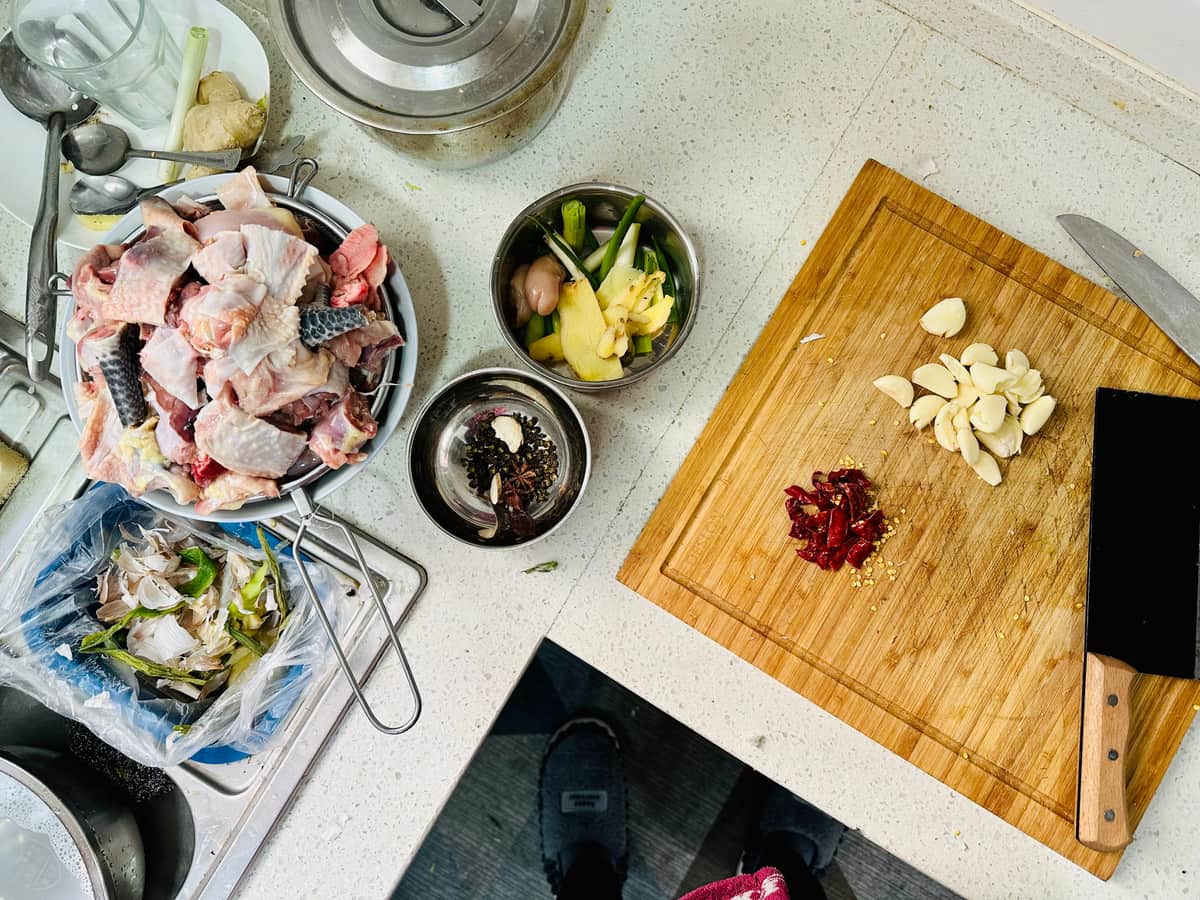
Disclosure: we earn a commission if you buy through the Amazon links on this page, at no extra cost to you. Commission never decides a verdict or a ranking position — read our editorial policy and affiliate disclosure.
Short answer
Keep out: bones, fruit pits, fats and oils, coffee grounds, eggshells, rice and pasta, potato peelings in quantity, fibrous vegetables, onion skins, shellfish shells, non-food items, and harsh chemicals. Some of those jam the unit; others pass through easily and build a blockage in the trap weeks later.
The useful distinction is between things that stop the disposal and things the disposal handles happily while quietly ruining your drain. The second group causes more problems and gets far less attention.
The list
- Bones. Harder than the grind components. They wedge and stall the motor.
- Fruit pits. A peach or avocado stone simply spins in the chamber and will not reduce.
- Fats, oils and grease. They pass through liquid and congeal in the cooler drain line. The single worst thing for your plumbing on this list.
- Coffee grounds. They grind to nothing and then settle in the trap as a dense sludge. A classic slow blockage.
- Eggshells. The membrane wraps around the impellers and the shell grinds to a sand that settles with the grounds.
- Rice and pasta. Both keep absorbing water and swelling after they leave the chamber, which is exactly the wrong property in a drain line.
- Potato peelings in quantity. Starch plus water makes a paste that coats the chamber and the line.
- Fibrous vegetables — celery, corn husks, artichoke, asparagus ends. Strings wrap around the impellers instead of breaking.
- Onion skins. The thin papery layer slips past the grind ring intact and lodges in the drain.
- Shellfish shells. Oyster and clam shells are harder than the grind components; shrimp shells are fibrous. Both are wrong.
- Non-food items. Bottle caps, twist ties, cutlery, produce stickers. The stickers are worth naming — they do not break down and they accumulate.
- Caustic drain cleaners and bleach. They attack the rubber and metal components, and they create a hazard in a chamber somebody may have to reach into.
Why each one matters, grouped by mechanism
Things that jam the unit
Bones, fruit pits, shellfish shells and non-food items are all harder than the grinding components or geometrically wrong for them. They wedge between the impeller and the grind ring, the motor stalls, and the thermal overload trips. That is a five-minute fix with a hex wrench — see garbage disposal humming but not grinding — but repeated stalls are how a motor dies.
Things that wrap
Fibrous vegetables and eggshell membranes wrap around the impellers rather than breaking apart. In a single-stage disposal there is no second reduction stage to catch what the first one missed, which is why celery is the classic 1/2 HP stalling story. A three-stage unit handles this materially better, and that is a real reason to buy one — see horsepower guide.
Things that pass through and block the drain later
This is the group that causes the most damage and gets the least attention: coffee grounds, eggshell grit, rice, pasta, potato starch and onion skins. The disposal deals with all of them without protest. They then settle in the P-trap or the horizontal drain run, accumulate for weeks, and produce a slow sink that you will not connect to what you put down it a month earlier.
Fats, oils and grease, in a category of their own
Liquid at pan temperature, solid at drain temperature. Grease coats the inside of the drain line and everything else sticks to that coating, which is how a genuine blockage forms rather than a slow one. It is also the primary cause of the film on the chamber walls that makes a disposal smell — see garbage disposal smells.
Quick picks
Tap any row to jump to the full write-up. There are no scores here because we run no test lab — how picks are chosen is published in full on our methodology page.
| # | Product | Best for | Our read | Price |
|---|---|---|---|---|
| 1 |  OXO Good Grips silicone sink strainer The cheapest prevention | Catching scraps without plumbing | Catches grounds and rice before they reach the trap | Check price on Amazon #ad Affiliate link · We publish no price; Amazon shows the current one |
| 2 |  Glisten Disposer Care foaming cleaner For the consequences | Odor from the chamber walls | Foam reaches the film these items leave behind | Check price on Amazon #ad Affiliate link · We publish no price; Amazon shows the current one |
| 3 |  InSinkErator Evolution .75HP If yours stalls on this list | Households of three to five | Three stages handle fibrous waste a single stage does not | Check price on Amazon #ad Affiliate link · We publish no price; Amazon shows the current one |
What a disposal actually handles well
- Soft food scraps and plate scrapings — the job it was designed for.
- Small quantities of soft vegetable and fruit trimmings, with plenty of cold water.
- Cooked soft foods, in reasonable amounts rather than a whole pan at once.
- Ice cubes, which scour the grinding surfaces and are genuinely good for it.
- Citrus peel in small amounts, for the smell rather than the cleaning.
Cold water or hot?
Cold, while grinding. Cold water keeps any fats present solid enough to be broken up and carried away in fragments rather than melting and coating the line downstream. Hot water is useful for a flush afterwards, when the chamber is empty and you want to clear the film — but not during grinding.
On a septic system, treat this list as stricter
Everything above matters more when the solids end up in your own tank rather than a municipal sewer. Fats float as scum and do not break down, and fibrous material resists digestion. The EPA's septic guidance is fundamentally about reducing what enters the tank, and a disposal's job is to add to it — see disposals and septic systems.
Photograph shows the product category, not this specific unit. We do not republish manufacturer product photography.
1. The cheapest prevention
OXO Good Grips silicone sink strainer
OXO · Best for catching scraps without plumbing
The right answer for most people asking about a sink strainer: a flexible silicone basket that drops into a standard drain, lifts out by a handle, and goes in the dishwasher. It is the cheapest way to stop the two things that actually clog a kitchen drain — coffee grounds and rice.
This manufacturer does not publish a specification table for this product. Rather than repeat figures we cannot source, the assessment here is limited to what the product category and the manufacturer's own listing genuinely establish.
What works
- Drops in and lifts out — no tools, no plumbing, no commitment
- Silicone flexes, so you can invert it over the bin instead of picking debris out
- Dishwasher safe, which is the difference between a strainer you empty and one you avoid
- Fits standard drain openings, including over a disposal
What does not
- Does not hold water for soaking — it is a screen, not a stopper
- Sits visibly in the sink, which some people dislike
- Silicone eventually stains from turmeric and tomato
Skip it if
Skip it if the drain assembly itself is failing or leaking — that needs a basket strainer replacement, not a screen.
#ad Affiliate link · We publish no price; Amazon shows the current one
Raw specifications: OXO’s own page for the OXO Good Grips silicone sink strainer.
Photograph shows the product category, not this specific unit. We do not republish manufacturer product photography.
2. For the consequences
Glisten Disposer Care foaming cleaner
Glisten (Summit Brands) · Best for odor from the chamber walls
The product to reach for when a disposal smells, because the foam is the mechanism: the odor lives in the film on the chamber walls and the underside of the splash guard, where running water never reaches. A foaming cleaner expands into that space. Ice cubes and lemon peel scour the impellers, which are not where the smell is.
Published specifications
What works
- Foam reaches the upper chamber and the baffle underside, where the odor actually is
- Takes two minutes and no disassembly
- Single-use packets, so there is no part-used bottle under the sink
- Safe for the disposal itself, unlike a caustic drain opener
What does not
- It is a cleaner, not a repair: a smell that returns in two days is a trapped-food or trap problem
- Cost per use is high compared with removing the splash guard and scrubbing it
- The manufacturer publishes no independent efficacy testing, and we have measured none
Skip it if
Skip it if the smell comes back within a day or two — that is a blocked trap or food caught above the baffle, and cleaner fixes neither.
#ad Affiliate link · We publish no price; Amazon shows the current one
Raw specifications: Glisten (Summit Brands)’s own page for the Glisten Disposer Care foaming cleaner.
Photograph shows the product category, not this specific unit. We do not republish manufacturer product photography.
3. If yours stalls on this list
InSinkErator Evolution .75HP
InSinkErator · Best for households of three to five
The disposal we would fit in most houses. Three-quarters of a horsepower with three-stage grinding and stainless grind components is the point on the range where fibrous waste stops being a gamble, and SoundSeal makes it noticeably quieter than a Badger. The nine-year in-home warranty is the longest of any InSinkErator continuous-feed unit we checked.
Published specifications
- Motor
- 3/4 HP Dura-Drive induction source
- Grind stages
- Three-stage MultiGrind source
- Grind components
- Stainless steel source
- Overall height
- 12.25" source
- Sound
- SoundSeal — quieter than a standard disposal source
- Septic
- Safe for properly maintained septic tanks source
- Warranty
- 9-year We Come to You limited service warranty source
What works
- Three grind stages and stainless components — the two specs that decide whether fibrous scraps jam
- Only three-quarters of an inch taller than a Badger 5, so it fits most cabinets that took one
- Nine-year in-home warranty, which is a real statement about expected service life
- EZ Connect cord and hardwire adapter in the box, so it suits either wiring situation
What does not
- InSinkErator publishes no decibel figure, and neither do we — SoundSeal is a comparison, not a measurement
- 3/4 HP still stalls on bones and fruit pits; no domestic disposal is a bone grinder
- Chamber capacity is not published for this model
Skip it if
Skip it if you are one or two people who scrape plates and little else — you would be paying for capability you will not use.
#ad Affiliate link · We publish no price; Amazon shows the current one
Raw specifications: InSinkErator’s own page for the InSinkErator Evolution .75HP.
What to take away
- Some items jam the unit; others pass through and block the drain weeks later. The second group does more damage.
- Fats, oils and grease are the worst thing on the list for your plumbing and the main cause of disposal smell.
- Coffee grounds, eggshells and rice all grind easily and then settle in the trap.
- Run cold water while grinding, and never put caustic drain cleaner in a disposal.
How we sourced this page
Every figure on this page came from one of the following. Where a manufacturer or an independent lab does not publish a number, we say so rather than estimate it.
Common questions
- What should you not put in a garbage disposal?
- Bones, fruit pits, fats and oils, coffee grounds, eggshells, rice and pasta, large quantities of potato peel, fibrous vegetables like celery and corn husks, onion skins, shellfish shells, any non-food item including produce stickers, and caustic drain cleaners.
- Are coffee grounds bad for a garbage disposal?
- Not for the disposal itself — they grind to nothing. They are bad for the drain: the fine grit settles in the trap and the horizontal run and builds a dense sludge that produces a slow sink weeks later, with no obvious connection to what caused it.
- Can you put eggshells in a garbage disposal?
- Better not to. The membrane wraps around the impellers and the shell grinds to a sand that settles in the trap alongside coffee grounds. The old advice that eggshells sharpen the blades is wrong twice over — a disposal has impellers rather than blades, and they do not need sharpening.
- Should I run hot or cold water with a garbage disposal?
- Cold while grinding, so any fats stay solid enough to be broken up and carried away rather than melting and coating the drain line. Hot water is useful afterwards as a flush, with the chamber empty.
More in Guides
Organized by task, not by date, because a faucet install guide does not go stale and should not get buried under a blog feed. Every guide includes the honest point at which to call a plumber.
Read next
Troubleshooting
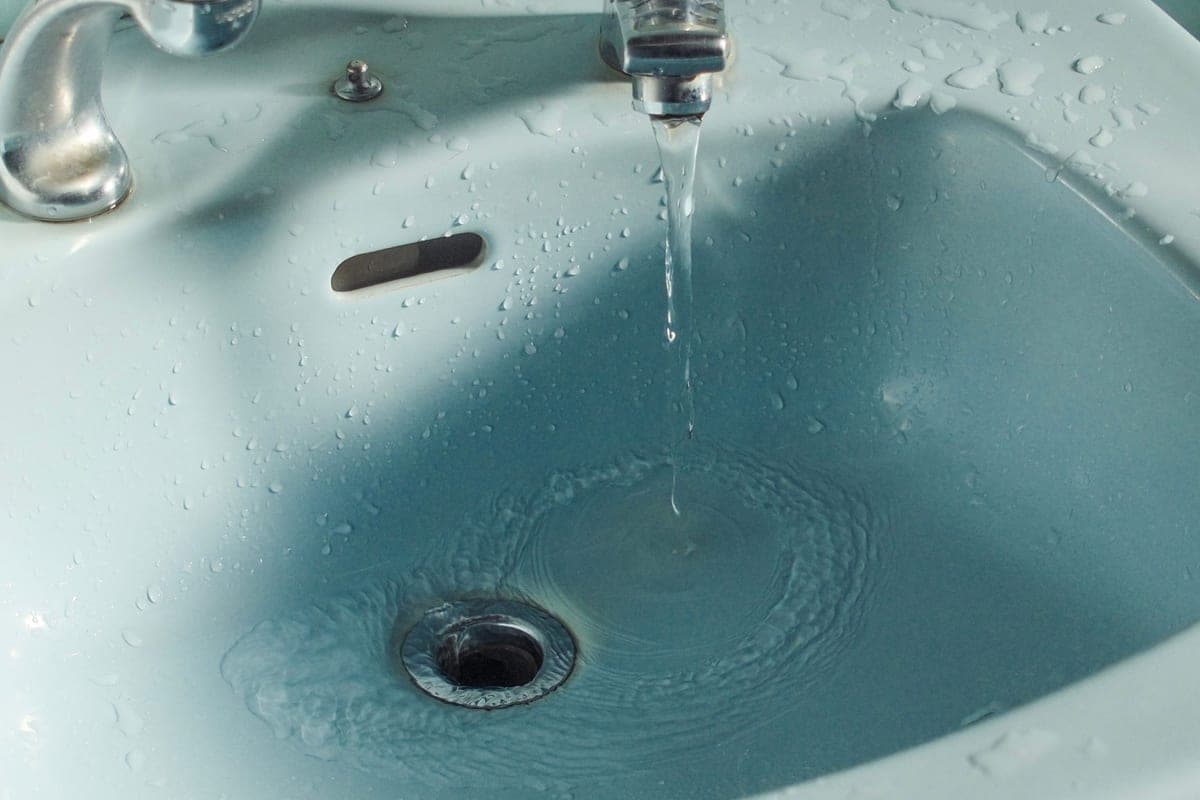
Humming, not grinding
Free the jammed impeller plate with the hex wrench, in the right order, with the breaker off first.
Troubleshooting
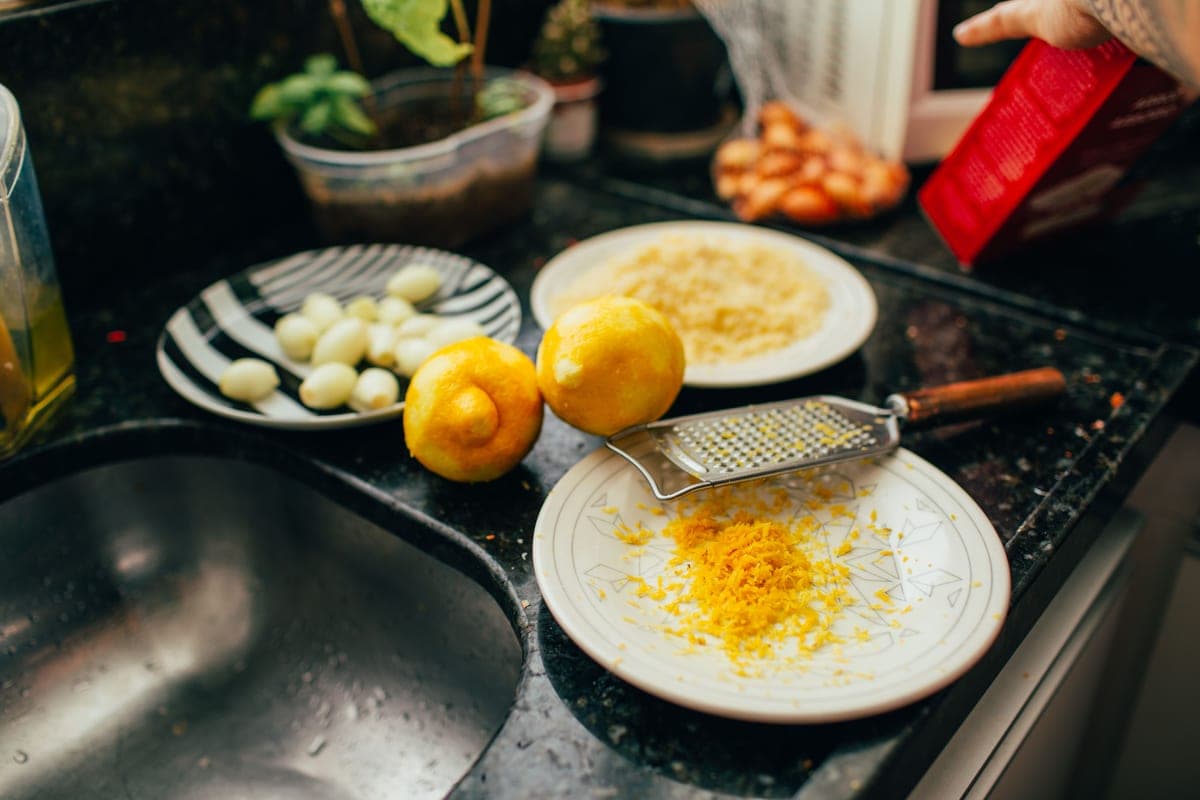
Disposal smells
Where the odor actually lives, the free method that fixes it, and what a smell returning in a day really means.
Best for septic systems
Disposals and septic systems
What septic-safe actually means, why grind fineness matters more than a badge, and how it changes your pumping interval.
Guide
Disposal horsepower guide
A horsepower-to-household table, what the number measures, and why grind stages predict jamming better than horsepower.
Best sink strainer
Best sink strainers
Basket strainer or drop-in screen — what each does, which fits a disposal, and the two worth buying.
Found something out of date, or a figure you can source better than we did? Tell us — corrections get read first. Our methodology explains how picks are made, and contact is one click away.