Guides
How long do kitchen faucets last?
Nobody publishes a figure, and the question is the wrong shape anyway: a faucet is four replaceable parts around a body, and they fail in a predictable order.
Disclosure: we earn a commission if you buy through the Amazon links on this page, at no extra cost to you. Commission never decides a verdict or a ranking position — read our editorial policy and affiliate disclosure.
How we assessed these: no manufacturer and no independent laboratory publishes a service life or failure rate for a residential kitchen faucet, so this page publishes no number of years. What it does instead is name the four parts that fail, in the order they fail, and quote only the figures makers actually state — cartridge cycle ratings, warranty terms, and what each company commits to in writing.
Short answer
Nobody publishes a figure, and we will not invent one. What is true is that a kitchen faucet body almost always outlives its consumable parts, and those fail in a predictable order: the sprayhead and its hose first, then the cartridge, then the aerator, then the finish. So the real lifespan of a faucet is however long you can still buy those four parts for it — which makes parts availability, not build quality, the specification that decides it.
This is the question behind most "is this faucet good" searches, and the reason it has no clean answer is that no independent laboratory tests residential kitchen faucets to failure, and no manufacturer publishes a service life. Delta, Moen and Kohler all offer limited lifetime residential warranties, which is a commercial commitment rather than a measurement. Anyone quoting you "15 to 20 years" is quoting a habit, not a source.
What fails first: the sprayhead and the hose
On a pull-down or pull-out faucet, the assembly you handle a dozen times a day is the one that wears, and the single most commonly reported complaint in the category is a wand that stops seating in the spout. How the faucet docks decides how soon that happens. Delta's MagnaTite and Kohler's DockNetik pull the wand home with a magnet, which has no contact surface to abrade. A counterweight-and-seat mechanism relies on the hose and the seat staying true.
The hose itself is a consumable, and the thing to look for is whether it is a braided hose with quick-connect fittings or a proprietary molded assembly. The first is replaceable in minutes for the price of a hose; the second may not be available at all in ten years. Moen publishes Duralock quick connect on the Arbor; Delta publishes integrated InnoFlex supply lines with a 3/8-inch compression connection at the valve.
What fails next: the cartridge
A dripping faucet is almost never a dead faucet. It is a worn ceramic-disc cartridge, which is a cheap part, a hex key and twenty minutes — and it is the reason a modern faucet goes years between attention where a rubber-washer tap needed it every other season. Two polished ceramic discs slide against each other; when the seal between them wears, water passes.
Delta names and warrants its version. The Leland publishes Diamond Seal, which keeps water off the valve, and the Leland Touch2O page states the valve is rated at twice the industry standard. WEWE publishes a maker-rated 500,000 on/off cycles for its ceramic disc — a real manufacturer figure, cited here as exactly that and not as an independent test. Moen and Kohler use replaceable ceramic-disc cartridges without publishing a rating on these product pages, which is an absence of a figure rather than a worse part.
The practical work is identifying which cartridge you already have, because they are brand-specific and do not interchange. Faucet cartridges explained covers identification, and how to replace a faucet cartridge is the procedure.
| Part | What it does | The symptom | What replacing it involves |
|---|---|---|---|
| Sprayhead and hose | Carries water to the wand and docks it | Wand will not stay up; hose leaks in the cabinet | A replacement hose, if the maker still sells one |
| Cartridge | Mixes hot and cold, and seals | Drip from the spout; stiff or loose handle | A brand-specific part and a hex key |
| Aerator | Shapes the stream and screens debris | Weak or spitting flow | Unscrew, descale or swap; minutes |
| O-rings and seals | Seal the spout to the body | Water around the base of the spout | A seal kit, usually with the cartridge |
| Finish | Cosmetic layer over the body | Dulling, spotting, chipping on coated finishes | Nothing — it is not replaceable |
| Body | The casting everything mounts in | Rare: a crack or a stripped thread | A new faucet |
This table describes the order in which parts wear, not a schedule. No manufacturer publishes a service interval or expected life for any of these components, so no timings appear here.
The thing that actually decides lifespan
Whether the maker will still sell you a cartridge in ten years. That is the whole argument for buying a major brand, and it is why our product note on the WEWE A1001L says to plan on replacing rather than repairing it in year four — not because the faucet is badly made, but because there is no parts channel behind it. A 304 stainless body with a 500,000-cycle ceramic cartridge is genuinely a lot of faucet, and when the sprayhead hose fails there will be nothing to order.
Moen's quiet advantage is exactly here: it stocks cartridges for faucets it stopped selling years ago, which turns a dripping faucet into a cheap part instead of a weekend. We rank the whole market on this one answerable question on kitchen faucet brands.

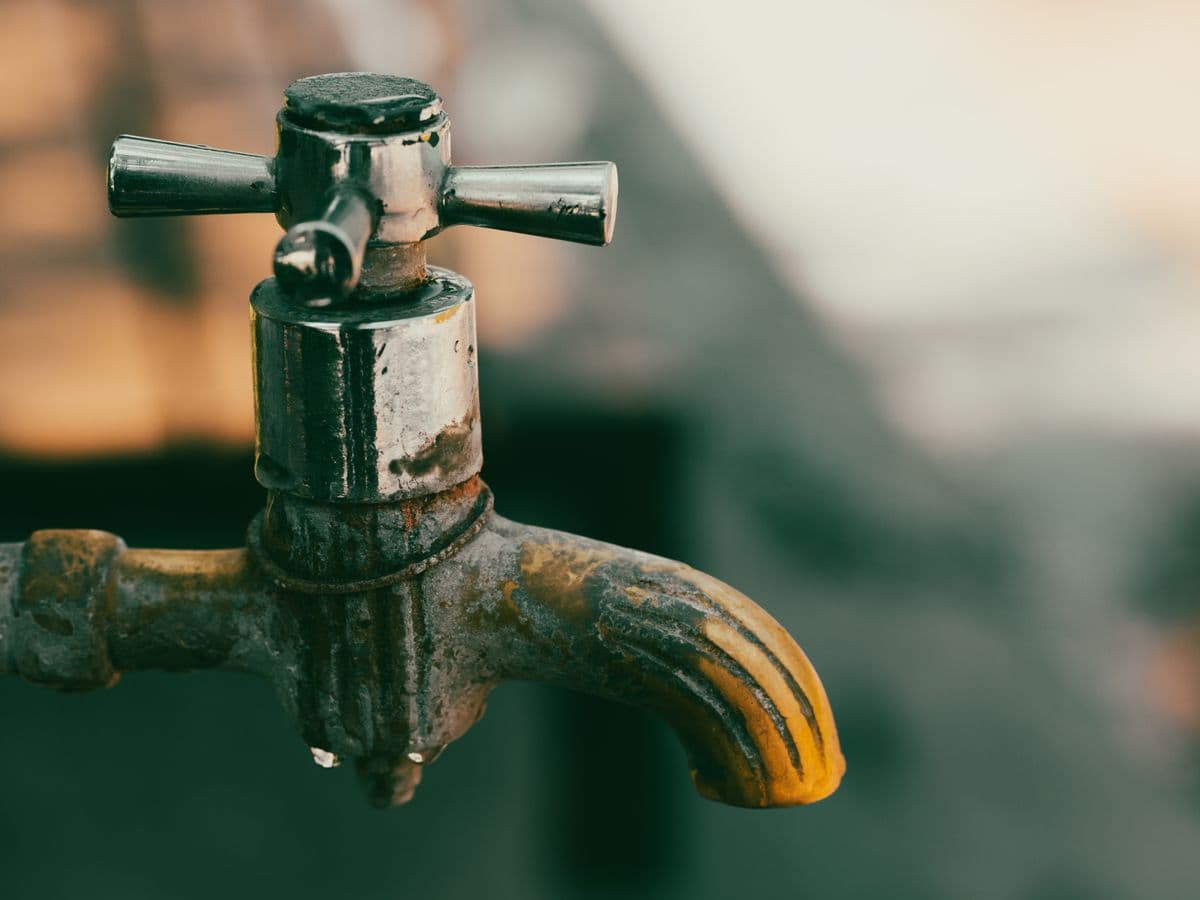
Photograph shows the product category, not this specific unit. We do not republish manufacturer product photography.
1. The one to buy for longevity
Delta Leland 9178-AR-DST
Delta · Best for most kitchens, one or three holes
The pull-down we would fit in most kitchens, because the two parts that usually fail first on a pull-down are the two Delta engineered around: the docking mechanism and the valve. MagnaTite pulls the wand back into the spout with a magnet instead of relying on a friction collar, and Diamond Seal keeps water off the valve. It ships with a deck plate, so it covers a three-hole sink or mounts through one.
Published specifications
- Flow rate
- 1.8 gpm source
- Spout height
- 7-7/8" deck to outlet source
- Spout reach
- 9-3/16" source
- Overall height
- 14-7/8" source
- Mounting
- Single hole; deck plate included for three-hole sinks source
- Supply lines
- Integrated InnoFlex PEX, pre-attached at the valve source
- Connection
- 3/8" compression source
- Warranty
- Delta limited lifetime source
- Lead compliance
- Meets NSF/ANSI 61 source
What works
- MagnaTite docking is a magnet, not a friction fit — a wand that stops seating is the most common pull-down complaint, and a magnet does not wear the way a plastic collar does
- Spout reach of 9-3/16" clears the far side of a standard 22-inch front-to-back sink
- Diamond Seal keeps water off the valve, which is what the lifetime warranty is really protecting
- Deck plate in the box, so a three-hole sink needs no extra part
What does not
- 1.8 gpm is higher than the 1.5 gpm most competitors now ship, which matters if your area caps flow rate
- Zinc body rather than brass — normal at this price, but this is not a forever faucet
- No independent lab publishes durability figures for this model, so we cannot tell you how the finish looks at year five
Skip it if
Skip it if your sink is a shallow bar sink: at 14-7/8" overall the arc will splash in a basin under about seven inches deep.
#ad Affiliate link · We publish no price; Amazon shows the current one
Raw specifications: Delta’s own page for the Delta Leland 9178-AR-DST.

Photograph shows the product category, not this specific unit. We do not republish manufacturer product photography.
2. Best parts channel
Moen Arbor 7594
Moen · Best for deep pots and hard-water kitchens
The pull-down to buy if you want the taller arc and a finish that hides water spots. Its 8-1/4" spout height is about half an inch more clearance than the Leland, which is the difference between washing a stock pot and fighting one. The tradeoff is reach: 7-7/8" against 9-3/16", so it works closer to the back of the bowl.
Published specifications
What works
- The 8-1/4" spout height is genuine pot clearance, not decorative arc
- Power Boost concentrates the stream for filling and rinsing without raising the rated flow
- Spot Resist Stainless is the single most useful finish choice in a hard-water house
- Reflex docking has been in Moen's line long enough that replacement wands are easy to find
What does not
- Reach is 7-7/8", over an inch shorter than the Leland — on a wide double bowl you will notice
- Moen publishes no independent noise or durability measurement, and neither do we
- The spot-resist coating is a finish, not armor; abrasive cleaners still dull it
Skip it if
Skip it if you have a wide double-bowl sink and want one faucet to reach both drains comfortably — buy reach instead of height.
#ad Affiliate link · We publish no price; Amazon shows the current one
Raw specifications: Moen’s own page for the Moen Arbor 7594.
Photograph shows the product category, not this specific unit. We do not republish manufacturer product photography.
3. The replace-not-repair faucet
WEWE A1001L
WEWE · Best for rentals and tight budgets
The budget pick, named with the caveat that belongs on every budget pick: it is 304 stainless with a ceramic cartridge the maker rates at 500,000 cycles, and it is a faucet you will replace rather than repair, because the parts channel behind it is nothing like Moen's or Delta's. On those terms it is a lot of faucet for the money.
Published specifications
What works
- 304 stainless rather than plated zinc at a price where plated zinc is the norm
- A ceramic disc cartridge, which is the valve type that lasts — the same principle as faucets costing four times more
- The pause function is genuinely useful on a pull-down and is often missing at this price
- Light enough that a one-person installation is straightforward
What does not
- The parts channel is the weak point: plan to replace rather than repair in year four
- No published spout height or reach, so check the listing dimensions against your sink before ordering
- 1.8 gpm, and no boost function to make better use of it
Skip it if
Skip it if this is your forever kitchen. Buy a faucet whose cartridge you can still order in ten years — that is the whole argument for the major brands.
#ad Affiliate link · We publish no price; Amazon shows the current one
Raw specifications: WEWE’s own page for the WEWE A1001L.
What a limited lifetime warranty does and does not cover
Delta and Moen both publish limited lifetime residential warranties against defects, and that is a real benefit — it is usually how you get a free cartridge. What it is not is a statement that the faucet will last a lifetime. It covers manufacturing defects, generally for the original purchaser, in a residential installation, and the exclusions are where the detail lives: finish wear from abrasive cleaners, damage from hard water scale, commercial use, and anything a third party has installed badly.
Delta publishes a lead-compliance statement to NSF/ANSI 61 on the Leland alongside it, which is a certification rather than a durability claim but is worth knowing is there. The clause-by-clause reading, including the parts of these warranties people most often rely on by mistake, is on best kitchen faucets with lifetime warranty.
What shortens a faucet's life, in order
- Hard water. Scale is what kills aerators, stiffens cartridges and dulls finishes, and it is the single biggest variable between two identical faucets in two different houses.
- Abrasive cleaners. Cream cleansers and scouring pads take the finish off, and no warranty covers it. Mild soap and a soft cloth, always.
- Leaving it dripping. A worn cartridge passing water will cut a groove in the seat, which turns a cheap part into a bigger repair.
- Electronics in a wet cabinet. Touch and touchless faucets add a control box and a solenoid that a manual faucet does not have, and both are more to fail.
- A proprietary hose. The one component failure that can end a faucet outright is a molded hose assembly nobody sells anymore.
Hard water is the one worth acting on, because it is the one you can choose a faucet around. Best kitchen faucets for hard water covers the models that cope, and which finish hides water spots covers the finishes that stop a four-year-old faucet looking ten.
When to repair and when to replace
Repair if the body is sound and the part is available: a drip, a stiff handle, a weak stream and a leaking base are all parts jobs. Replace if the body is cracked or a thread is stripped, if the parts are discontinued, or if you are changing the configuration anyway — a new sink, a different hole count, or a move to a pull-down. The diagnosis comes first either way, and kitchen faucet leaking diagnosis tells you which of the four parts you are actually dealing with.
If the answer is replace, best single handle kitchen faucets is the shortlist, and do you need a plumber to install a kitchen faucet covers whether the swap is yours to make.
What to take away
- No manufacturer or laboratory publishes a service life for a kitchen faucet, so any number of years you read is somebody's habit.
- The body outlives the consumables. Sprayhead and hose go first, then the cartridge, then the aerator and seals.
- A dripping faucet is a worn cartridge, not a dead faucet — a cheap brand-specific part and a hex key.
- Real lifespan is parts availability. A faucet you cannot buy a hose for is finished whatever its body is made of.
- A limited lifetime warranty covers defects, not wear. Finish damage from abrasives and scale is excluded.
- Hard water is the biggest variable between two identical faucets, and the one you can buy around.
How we sourced this page
Every figure on this page came from one of the following. Where a manufacturer or an independent lab does not publish a number, we say so rather than estimate it.
- Delta Leland 9178-AR-DST product page (published specifications)
- Delta Leland 9178T Touch2O product page (published specifications)
- Moen Arbor 7594 product page (published specifications)
- WEWE A1001L kitchen faucet — manufacturer product listing
- US EPA WaterSense — bathroom and kitchen faucet flow-rate standards
Common questions
- How long should a kitchen faucet last?
- Longer than its consumable parts, and nobody publishes a figure beyond that. The body is rarely what fails; the sprayhead hose, the cartridge, the aerator and the seals are, and all four are replaceable while the maker still sells them. That is why parts availability decides the answer more than build quality does.
- What usually fails first on a kitchen faucet?
- On a pull-down or pull-out, the sprayhead and its hose — the assembly you handle every day. A wand that will not stay docked is the most commonly reported complaint in the category. On a faucet without a wand, the cartridge is first, and it announces itself as a drip.
- Is it worth repairing a kitchen faucet or should I replace it?
- Repair if the body is sound and the part is still sold: a drip, a stiff handle, a weak stream and a leak at the base are all parts jobs costing a fraction of a new faucet. Replace if the body is cracked, a thread is stripped, the parts are discontinued, or you are changing the hole count or the sink anyway.
- Do touchless kitchen faucets last as long as manual ones?
- They have more that can fail. A sensor faucet adds a control box, a solenoid valve and either batteries or a mains connection inside a wet cabinet, none of which exists on a manual faucet. Nobody publishes comparative failure rates, so we will not claim a difference in years — only that there are more components in the chain.
- Does hard water shorten a faucet's life?
- It is the biggest single variable between two identical faucets in two different houses. Scale blocks aerators, stiffens cartridges and dulls finishes, and finish damage from scale is generally excluded from warranty. Wiping the faucet dry and descaling the aerator periodically does most of the work of preventing it.
More in Guides
Organized by task, not by date, because a faucet install guide does not go stale and should not get buried under a blog feed. Every guide includes the honest point at which to call a plumber.
Read next
How to
Replace a faucet cartridge
Identify the cartridge, get the water off properly, and swap it — for single-handle and two-handle faucets.
Guide
Faucet cartridges explained
The four valve types, how to identify yours without guessing, and what a replacement cartridge really costs.
Best lifetime warranty
Best lifetime warranty
What a limited lifetime faucet warranty really covers, the clauses that void it, and the brands that stock the parts.

Guide
Kitchen faucet brands
Brands ranked on warranty terms and parts availability for discontinued models — the specs that decide repairability.
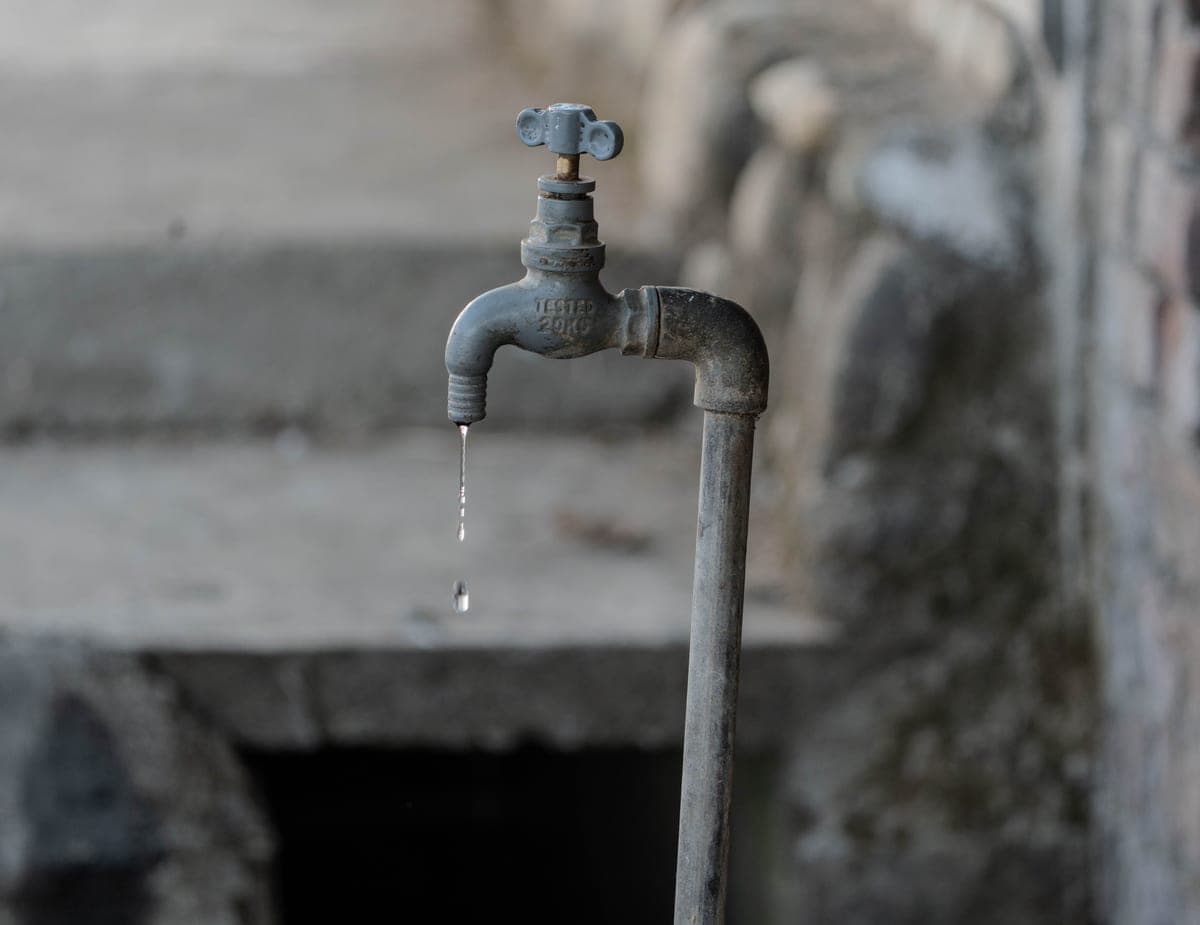
Troubleshooting
Faucet leaking diagnosis
Four leak locations, four different causes, ranked by how common each one actually is.
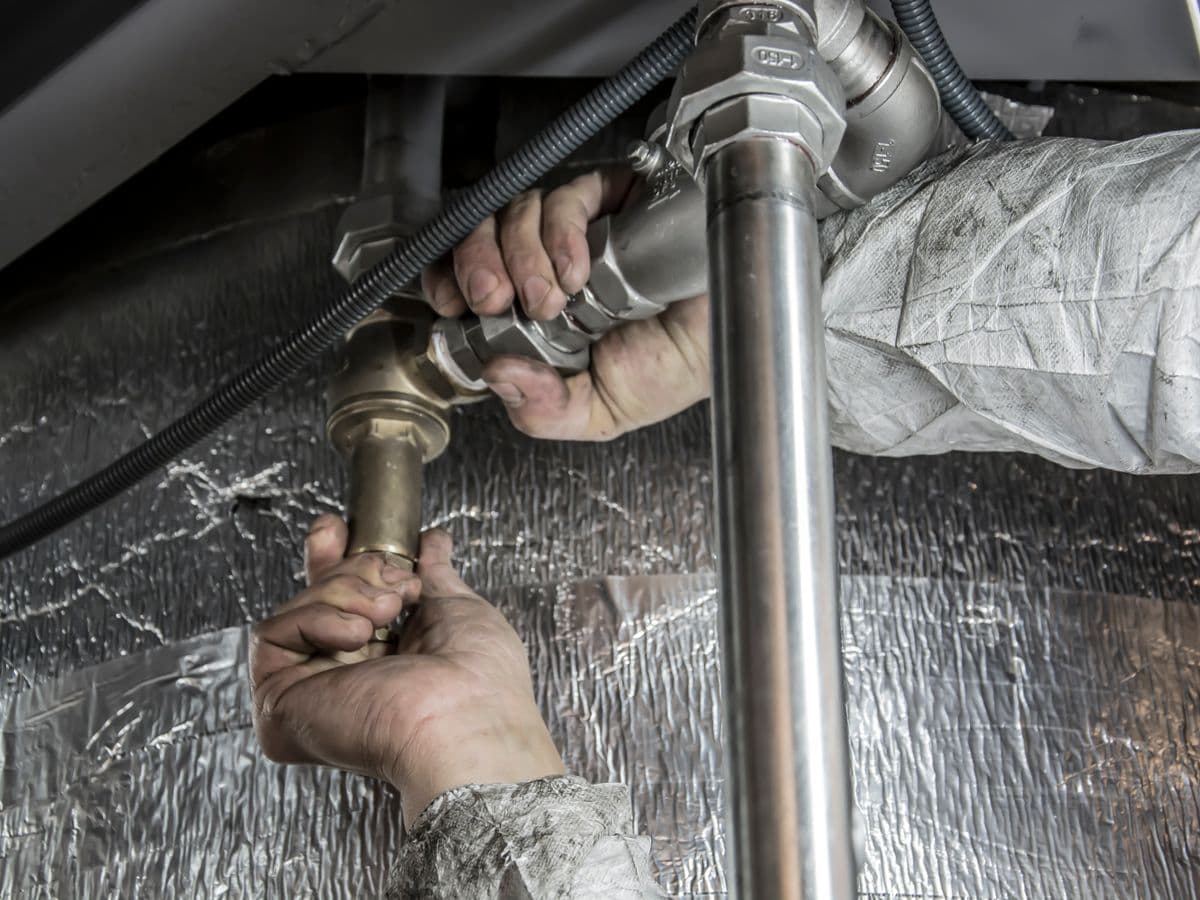
Guide
Do you need a plumber?
When a faucet swap is genuinely a DIY afternoon, the five conditions that make it a trade call, and the tool that decides which.
Found something out of date, or a figure you can source better than we did? Tell us — corrections get read first. Our methodology explains how picks are made, and contact is one click away.