Kitchen Sinks
How to choose a kitchen sink
Most people start with material and finish with measurements. Reverse that. Your cabinet and your trap arm eliminate more sinks than taste ever will.
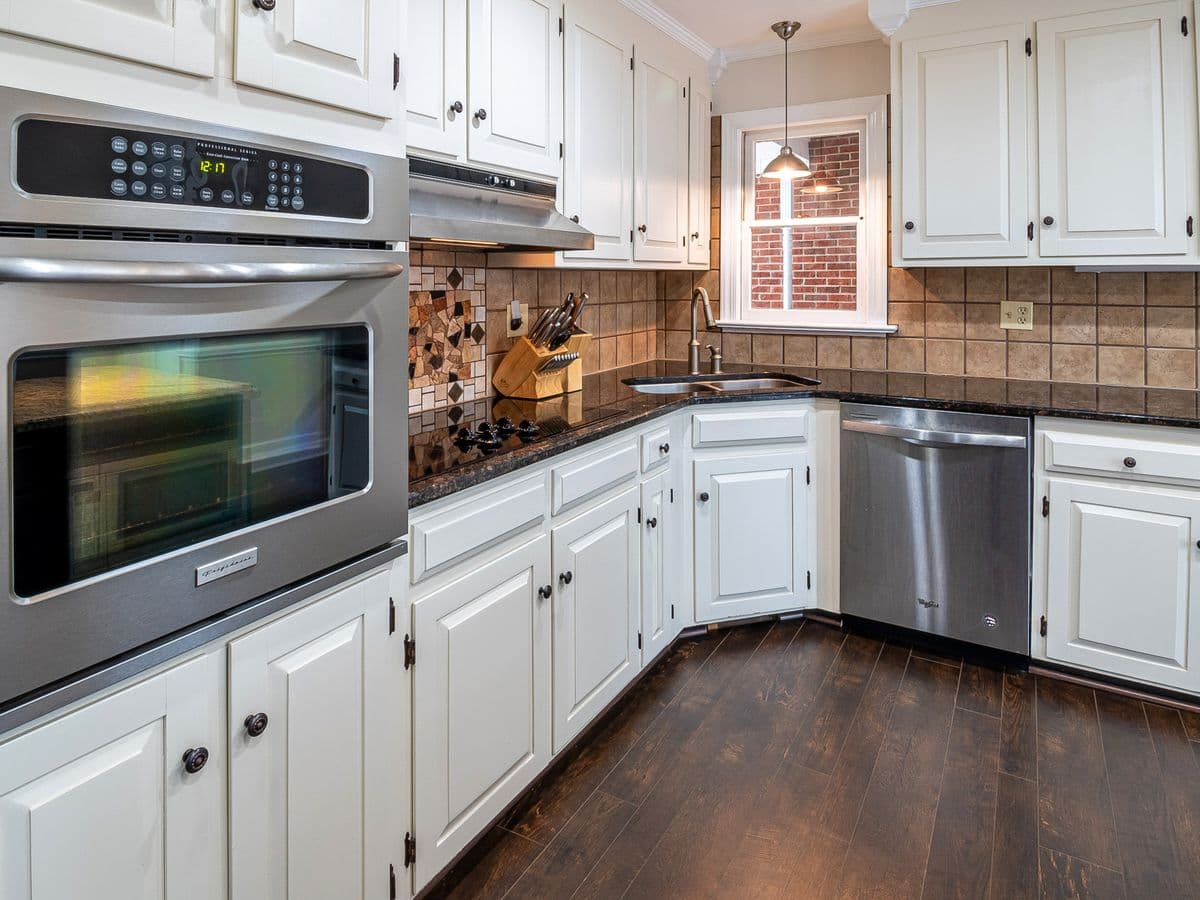
Disclosure: we earn a commission if you buy through the Amazon links on this page, at no extra cost to you. Commission never decides a verdict or a ranking position — read our editorial policy and affiliate disclosure.
How we assessed these: we compared published manufacturer specifications, read from each maker's own product page or specification sheet and linked at every figure. We have not tested these sinks and we do not own them. No independent laboratory publishes dent, chip or noise testing for residential kitchen sinks, so where a number would have to come from somewhere else, this page says so rather than estimating it.
Short answer
Choose in this order: cabinet width, then mount, then bowl configuration, then depth, then material, then accessories. The first four are measurements that eliminate options whether you like them or not; only the last two are preferences. Reversing the sequence is why people fall for a sink that will not fit, and it is the single commonest way a kitchen sink purchase goes wrong.
There are six real decisions in a kitchen sink and they are not independent. Depth depends on your trap arm. Mount depends on your countertop. Bowl configuration depends on cabinet width, which caps everything. Taken in the right order each one narrows the list; taken in the wrong order you end up arguing yourself out of a measurement.
One: cabinet width, which caps everything else
Measure the inside of your sink base cabinet, face to face. The rule of thumb that holds across the whole market is that the sink is three inches narrower than the cabinet: a 33-inch cabinet takes a 30-inch sink, a 36-inch cabinet takes a 33-inch sink. Every pick on this page publishes its minimum cabinet, and the Kraus Kore is the only one that also publishes a front-to-back figure — 24 inches — which almost no maker states at all.
This is first because it is the only decision with no workaround. You cannot persuade a 33-inch sink into a 33-inch cabinet, and a farmhouse sink makes the constraint tighter rather than looser because the cabinet face has to be cut to the apron. Sink sizes and cabinet fit has the measurement in full.
Two: mount, which your countertop decides
Three options, and your existing counter usually eliminates two of them. An undermount is fastened to the underside of a rigid countertop — granite, quartz, solid surface or sealed wood — so the counter carries the weight. A drop-in sits in a cutout with its rim on the counter, which is the only choice under laminate and the only choice that does not need the counter re-templated. A farmhouse sink carries its weight on a frame inside the cabinet and replaces part of the cabinet face, so it needs the countertop off.
If the counter is staying, you are choosing a drop-in, or an undermount only if the existing cutout can be re-templated — which is rare. The two comparisons are drop-in vs undermount and farmhouse vs undermount sinks, and the useful middle ground is a dual-mount sink: finished to sit on your counter now and undermountable under a new one later.
Three: how many bowls
One wide bowl takes a half-sheet pan flat, a roasting tray and an oven rack. Two bowls let you keep one side full of soaking dishes while the other stays clear. At a fixed cabinet width you cannot have both, because the divider comes out of the usable basin: a 33-inch double bowl gives you two 15-1/2-inch basins where the single-bowl version of the same sink gives you 31 inches.
Decide this on your actual habit rather than the showroom. If you wash big flat things, buy one bowl and add a bottom grid and a rim rack. If you soak, buy two equal bowls rather than a 60/40 split — a token small bowl is a worse version of both options. The full argument is on single bowl vs double bowl, and the shortlists are best single bowl kitchen sinks and best stainless steel kitchen sinks.
Four: depth, which your trap arm decides
This is the decision that strands people halfway through a Saturday. Ten inches is the modern default and genuinely useful. But the sink outlet has to sit above the trap arm in the wall with enough fall for the water to run, and in an older house the trap arm often sits high. Measure from the cabinet floor to the trap arm, subtract your intended bowl depth, and if the answer is uncomfortable then the bowl is too deep — not the plumbing wrong.
The two escape routes are a shallower bowl and a rear-offset drain. The Elkay Lustertone's 7-5/8-inch body is the depth most pre-2000 cabinets were built around; the Kraus KWT310-33/5.5 goes further with a 5.5-inch ADA-compliant bowl that still carries a workstation ledge. A disposal makes the sum tighter again, because its body hangs below the drain — check the unit's overall height before you commit to either.
| Decision | What settles it | The measurement or check |
|---|---|---|
| Cabinet width | Your base cabinet | Inside face to face; sink is about 3" narrower |
| Mount | Your countertop | Rigid counter = undermount possible; laminate = drop-in |
| Bowl count | What you wash | Largest pan laid flat against usable basin width |
| Depth | Your trap arm | Cabinet floor to trap arm, minus bowl depth |
| Material | Your water and your habits | Hard water, hot pans, visible sink |
| Accessories | Your counter space | Clear run of counter beside the sink |
The first four are constraints and the last two are preferences. Decided in this order, each row removes options from the next.
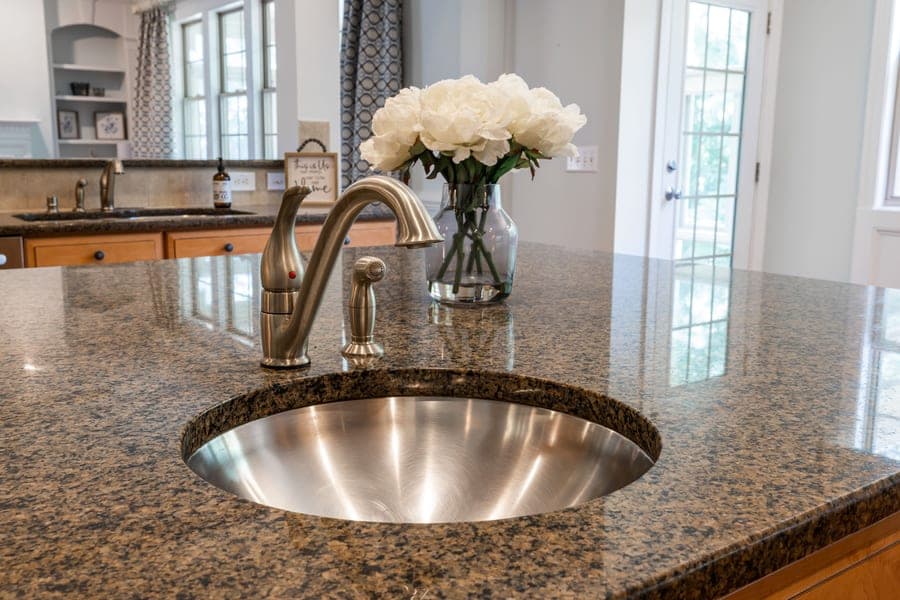
Photograph shows the product category, not this specific unit. We do not republish manufacturer product photography.
1. The safe default
Kraus KHT300-33 drop-in sink
Kraus · Best for replacing a sink without touching the counter
The drop-in we would fit in most kitchens, because it is a 16-gauge sink sold as a dual-mount: the rim is finished to sit on the counter, and the same sink can be undermounted later if you ever replace the countertop. At 10 inches deep with a rear-set drain it behaves like a modern undermount while asking nothing of your existing counter.
Published specifications
- Overall size
- 33" x 22" x 10-5/8" deep source
- Bowl size
- 31" x 18" x 10" deep source
- Gauge
- TRU16 gauge T304 stainless steel source
- Mounting
- Dual mount — drop-in or undermount source
- Faucet holes
- Two pre-drilled, for a faucet and a soap dispenser source
- Drain
- Rear-set source
- Minimum cabinet
- 36" source
- Sound damping
- NoiseDefend pads on all sides plus anti-condensation undercoating source
- Certification
- cUPC to ASME A112.19.3 / CSA B45.4 source
- Included
- Bottom grid, drain assembly with removable strainer, decorative drain cover source
- Warranty
- Kraus limited lifetime source
What works
- 16-gauge steel in a drop-in, which is unusual — most top-mount sinks at this size are 18-gauge or thinner
- Dual mount means the sink survives a future countertop replacement instead of being thrown away with it
- A 10-inch bowl with a rear-set drain leaves usable cabinet space under the front of the sink
- Grid, drain and strainer are in the box, so the only extra part is the sealant
What does not
- A 33-inch sink still needs a 36-inch cabinet, so it is not a drop-in replacement for a 30-inch base unit
- A 10-inch bowl is a long reach for a shorter person, and a drop-in rim sits slightly higher than an undermount one
- Kraus publishes no unit weight for this model, so plan the lift by the shipping box rather than a figure
Skip it if
Skip it if your existing cutout is for a 30-inch sink. A drop-in can cover a slightly smaller hole, never a smaller cabinet.
#ad Affiliate link · We publish no price; Amazon shows the current one
Raw specifications: Kraus’s own page for the Kraus KHT300-33 drop-in sink.

Photograph shows the product category, not this specific unit. We do not republish manufacturer product photography.
2. When hard water decides it
Blanco Diamond Silgranit super single
Blanco · Best for hard water and visible sinks
The granite composite sink that answers the material's usual objection. Silgranit is up to 80% ground granite in an acrylic binder, and what it does better than stainless is hide everything: no water spots, no visible scratch pattern, no dent from a dropped pan. What it does worse is take a screaming-hot pan straight off the burner.
Published specifications
What works
- Hides limescale and water spotting better than any stainless finish — the reason to choose it in hard water
- Color runs through the material, so a scratch does not expose a different substrate
- Quieter than stainless without added pads, because the mass does the damping
- A 9-1/2" bowl is deep enough to lay a sheet pan flat
What does not
- Composite is not stainless: thermal shock is a real limit, so a very hot pan goes on a trivet
- Light colors show tea and turmeric staining more than dark ones
- Blanco publishes no thermal-limit figure, so we will not print one
Skip it if
Skip it if you routinely dump hot pans and boiling stock straight into the sink. Stainless tolerates that; composite is the wrong tool for it.
#ad Affiliate link · We publish no price; Amazon shows the current one
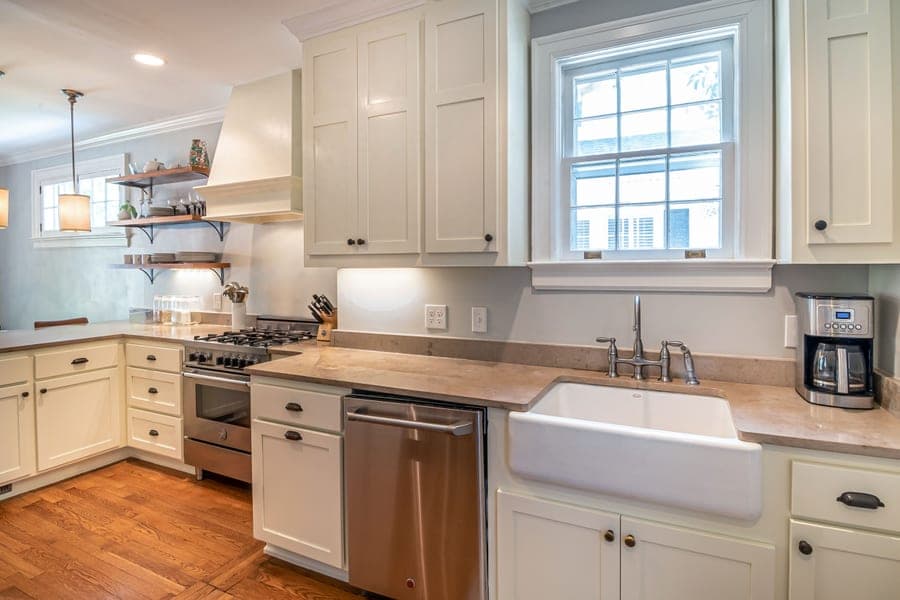
Photograph shows the product category, not this specific unit. We do not republish manufacturer product photography.
3. When the look decides it
BOCCHI Classico 30-inch fireclay farmhouse sink
BOCCHI · Best for farmhouse style, lighter than cast iron
Fireclay's argument against cast iron is the surface: the glaze is fired onto clay at very high temperature and is non-porous, rather than an enamel layer bonded to metal. This one ships with the bottom grid and strainer, and needs no flange extension for a disposal — a small detail that saves a trip to the store on install day.
Published specifications
What works
- Non-porous glaze, so staining is a cleaning problem rather than a permanent one
- Lighter than an equivalent enameled cast-iron sink, which simplifies cabinet support
- Grid and strainer in the box — the grid is what protects the glaze from dropped cast iron
- Takes a standard disposal flange without an extension kit
What does not
- Fireclay is a ceramic: a hard impact chips it, and a chip is not repairable the way a scratch in stainless is
- Hand-made dimensions vary slightly batch to batch, so cut the cabinet to the sink you received
- No independent lab publishes chip-resistance testing for fireclay sinks, so the material claims here are the manufacturer's
Skip it if
Skip it if your household is hard on a sink — dropped pots and ceramic do not mix. Choose 16-gauge stainless instead.
#ad Affiliate link · We publish no price; Amazon shows the current one
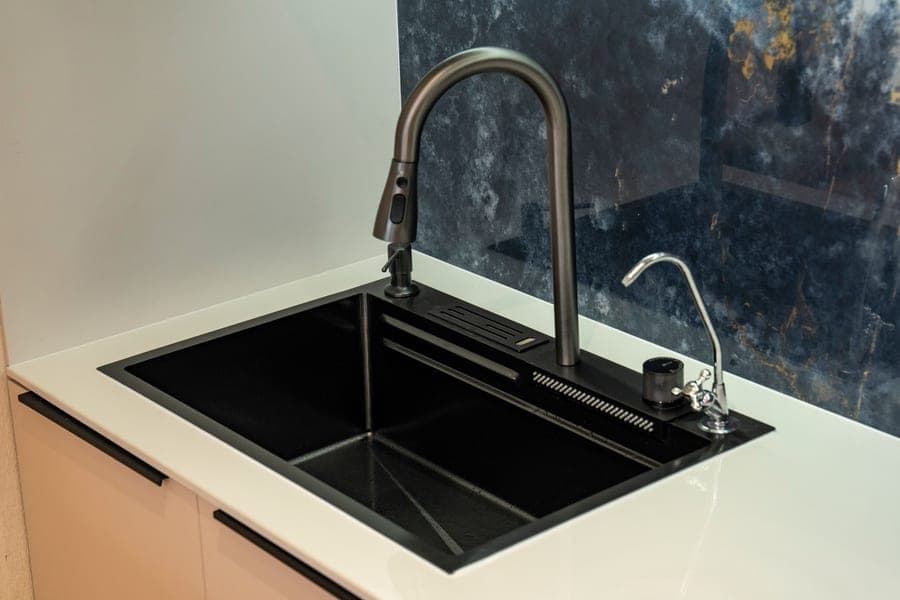
Photograph shows the product category, not this specific unit. We do not republish manufacturer product photography.
4. When the plumbing decides it
Kraus KWT310-33/5.5 ADA workstation drop-in sink
Kraus · Best for shallow cabinets and accessible kitchens
The drop-in to buy when depth is the problem rather than the goal. The bowl is 5.5 inches deep, which is what makes it ADA-compliant and also what makes it fit over a shallow trap arm — and it still carries a workstation ledge, so the cutting board and the drying rack recover the working space the shallow bowl costs.
Published specifications
- Overall size
- 33" x 22" x 6" deep source
- Bowl size
- 31" x 16" x 5.5" deep source
- Gauge
- TRU16 gauge stainless steel source
- Mounting
- Dual mount — drop-in or undermount source
- Faucet holes
- One pre-drilled, plus a soap-dispenser hole source
- Drain
- Rear offset source
- Minimum cabinet
- 36" source
- Compliance
- ADA; cUPC to ASME A112.19.3 / CSA B45.4 source
- Included
- Bottom grid, bamboo cutting board, roll-up drying rack, drain assembly, cut-out template source
- Warranty
- Kraus limited lifetime source
What works
- A 5.5-inch bowl clears plumbing that a 10-inch bowl simply will not — the commonest reason a sink upgrade stalls
- ADA-compliant depth, which matters if the kitchen has to be usable seated
- The integrated ledge and included accessories give back the working space the shallow bowl gives up
- Rear-offset drain, so the trap sits at the back of the cabinet rather than the middle
What does not
- 5.5 inches is genuinely shallow: a running faucet splashes more, and tall pots have to be filled at an angle
- The accessories are part of the price, and most households will not use all of them
- A shallow wide bowl shows standing water more obviously than a deep one, so the grid earns its place here
Skip it if
Skip it if you have the clearance for a deep bowl and nobody in the house needs an ADA-height basin. Buy depth instead.
#ad Affiliate link · We publish no price; Amazon shows the current one
Raw specifications: Kraus’s own page for the Kraus KWT310-33/5.5 ADA workstation drop-in sink.
Five: material, the first decision that is actually a preference
Stainless tolerates everything and hides nothing. A boiling stockpot, a dropped cast-iron pan and an abrasive cleaner in the same week are all fine; water spots and scratches are visible, though a satin grain blends them. It is the right default, and the grade to insist on is Type 304 — a listing that says only "stainless steel" is usually a cheaper, lower-nickel alloy.
Granite composite reverses that trade. Blanco's Silgranit is up to 80% ground natural granite in an acrylic binder, the color runs through the body so a scratch exposes nothing different, and in hard water it hides limescale in a way no stainless finish does. What it will not take is a pan straight off the burner. Fireclay and enameled cast iron buy you the apron-front look and fail suddenly rather than gradually: the glaze chips where steel would scratch, which is why both ship with a bottom grid and why fitting it is not optional.
The detail is spread across kitchen sink materials, granite composite vs stainless steel and fireclay vs cast iron sinks. If your water is hard and the sink is visible from the room, that is the one case where material should outrank almost everything below cabinet width.
Six: gauge, damping and accessories
On a stainless sink, gauge is an inverse scale and 16 is genuinely stiffer than 18. It matters most on a deep bowl and most of all on a workstation sink, where accessories rest on the rim and transmit flex into whatever is sitting on them. What gauge does not decide is noise: pad coverage does. Look for pads on all sides or over 80% of the basin plus undercoating, rather than the word "soundproofed".
Accessories are last because they are the easiest thing to add later and the easiest to overpay for now. A bottom grid is worth having on any sink and essential on a glazed one. A workstation ledge is worth real money in a small kitchen and worth nothing in a large one — are workstation sinks worth it makes that call honestly. And check which accessories are in the box by model number, because that is where two otherwise identical sinks differ most.
The short version
- Measure the cabinet inside, face to face. Subtract three inches. That is your maximum sink width.
- Decide the mount from your countertop, not from a photograph. Counter staying means drop-in or dual mount.
- Pick one bowl or two from what you actually wash, and compare against usable basin width rather than overall size.
- Measure cabinet floor to trap arm and subtract your intended depth. Add the disposal's height if one is going in.
- Now choose material, with hard water as the one factor that should override a preference.
- Then gauge and damping on stainless, and accessories last — by model number, not by category.
If you have narrowed it to a mount, the shortlists are best undermount kitchen sinks and best drop-in kitchen sinks. If the installation is the part you are weighing, how to install an undermount sink is the procedure for the harder of the two.
What to take away
- Decide in order: cabinet, mount, bowls, depth, material, accessories. The first four are constraints, not preferences.
- Sink width is roughly cabinet width minus three inches, and there is no way around it.
- Your countertop decides the mount. A dual-mount sink is the hedge if a new counter is some years away.
- Compare usable basin width, not overall sink width — the gap is two to five inches.
- Trap-arm height caps bowl depth, and a disposal makes the sum tighter. Measure before buying either.
- Material is the first genuine preference, and hard water is the one factor that should override it.
- Check which accessories are in the box by model number. It is where identical-looking sinks differ most.
How we sourced this page
Every figure on this page came from one of the following. Where a manufacturer or an independent lab does not publish a number, we say so rather than estimate it.
- Kraus KHT300-33 drop-in / undermount single-bowl sink product page (published specifications)
- Blanco Diamond Silgranit super single bowl sink — manufacturer listing
- BOCCHI Classico 30-inch fireclay farmhouse sink — manufacturer listing
- Kraus KWT310-33/5.5 ADA workstation drop-in sink product page (published specifications)
- Elkay Lustertone Classic LRS33222 drop-in sink product page (published specifications)
- Kraus Kore KWU110-30 specification sheet (PDF)
Common questions
- How do I choose the right size kitchen sink?
- From the cabinet, not the counter. Measure the inside of the sink base cabinet face to face and subtract about three inches: a 33-inch cabinet takes a 30-inch sink, a 36-inch cabinet takes a 33-inch sink. Then check the maker's published minimum cabinet figure for the exact model, because a few sinks need more.
- What should I choose first when buying a kitchen sink?
- Cabinet width, because it caps every other decision and has no workaround. Then the mount, which your existing countertop decides. Material and accessories come last — they are the only two decisions that are genuinely preferences rather than measurements.
- How do I choose a kitchen sink material?
- Stainless if you want tolerance: hot pans, dropped cookware and abrasive cleaners are all survivable, and Type 304 is the grade to insist on. Granite composite if your water is hard or the sink is visible, because it hides limescale and scratches that stainless shows. Fireclay or enameled cast iron if you want an apron front, accepting that a glaze chips where steel scratches.
- How deep should a kitchen sink be?
- As deep as your trap arm allows, up to about ten inches. Measure from the cabinet floor to the trap arm in the wall and subtract your intended bowl depth; if a disposal is going in, subtract its overall height too. Where the sum does not work, a 7-1/2-inch or 5.5-inch bowl is the fix rather than re-plumbing.
More in Kitchen Sinks
Three specifications settle almost every kitchen sink question: how thick the steel is, how it meets the counter, and what it is made of. Get those right and brand barely matters.
Read next

Guide
Sink materials compared
Five materials compared on heat, impact, noise and repairability, with the honest failure mode of each one.

Guide
Sink sizes and cabinet fit
The cabinet-to-sink arithmetic, the four measurements to take, and how a disposal changes the numbers.
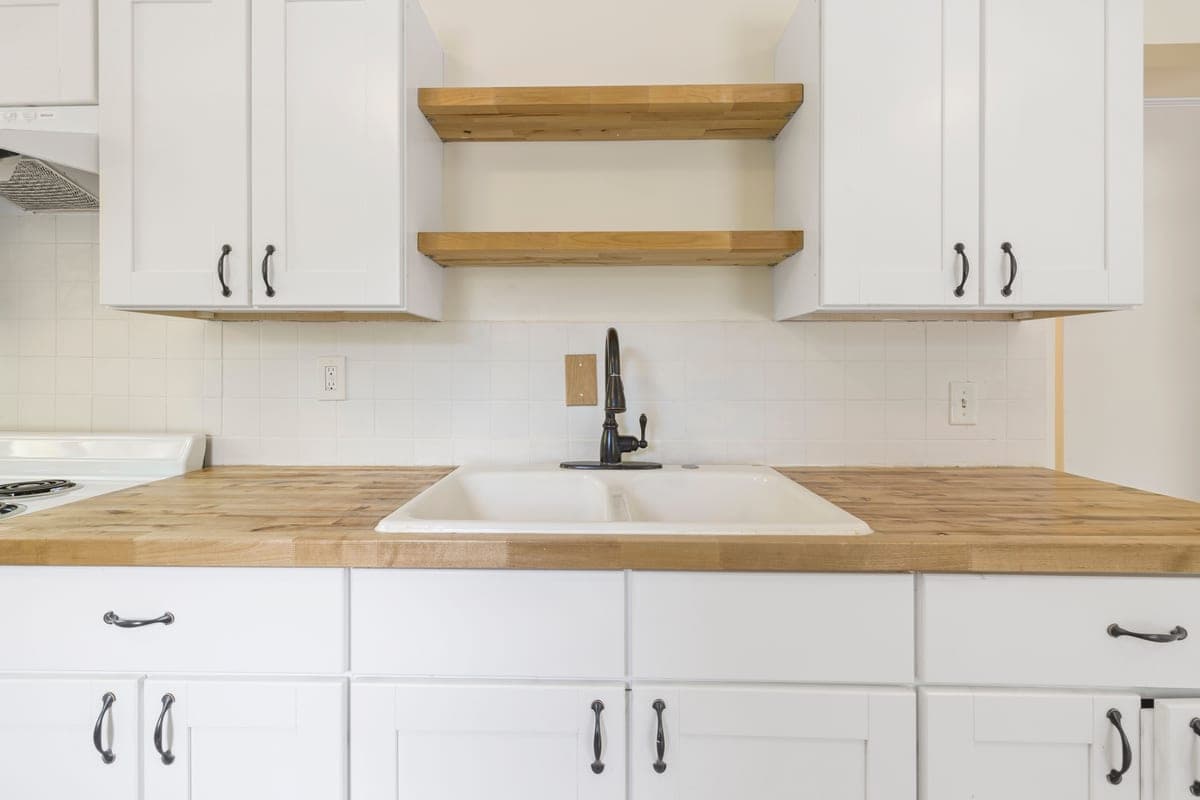
Head to head
Drop-in vs undermount
A pros and cons table, what each countertop material can take, and the real cost of converting from one to the other.
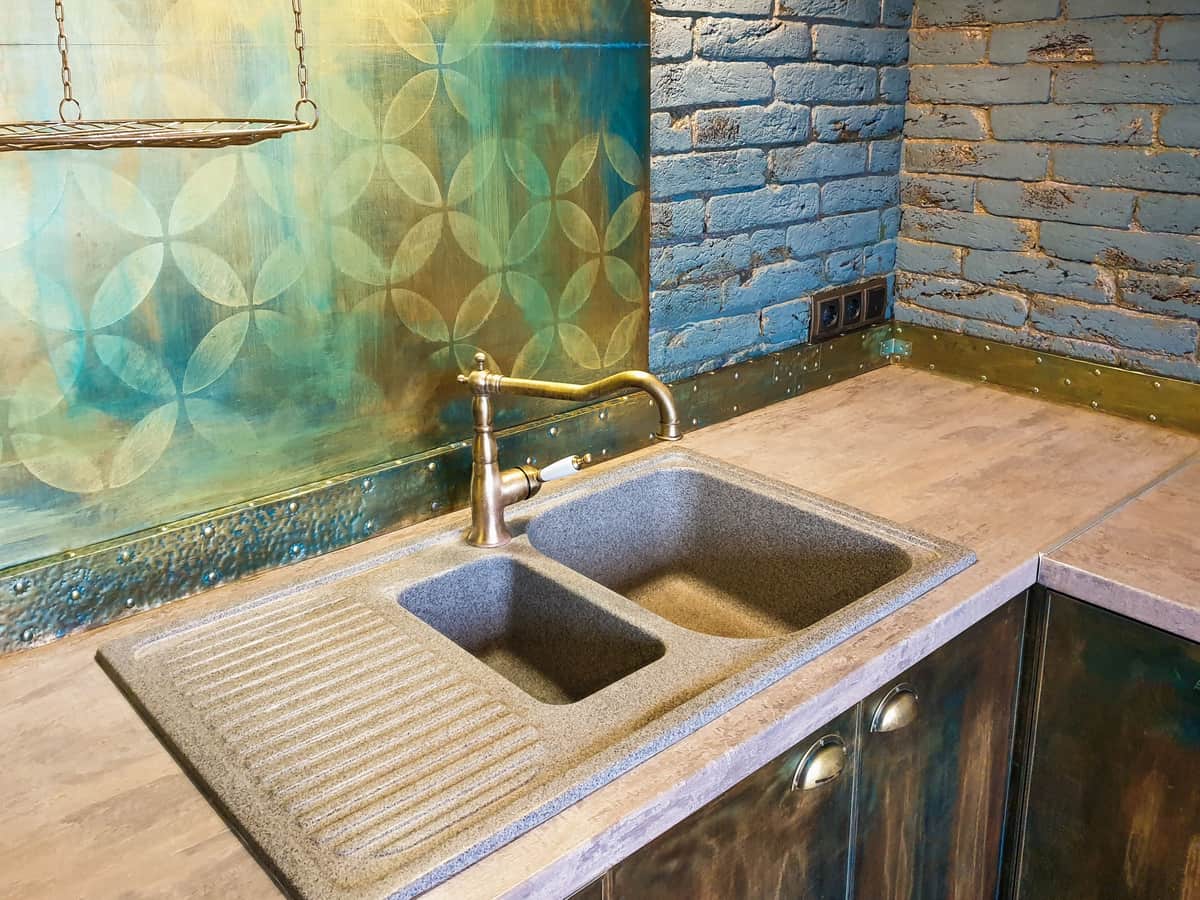
Head to head
Single vs double bowl
What a divider costs you, who genuinely benefits from two bowls, and what is involved in swapping a double for a single.
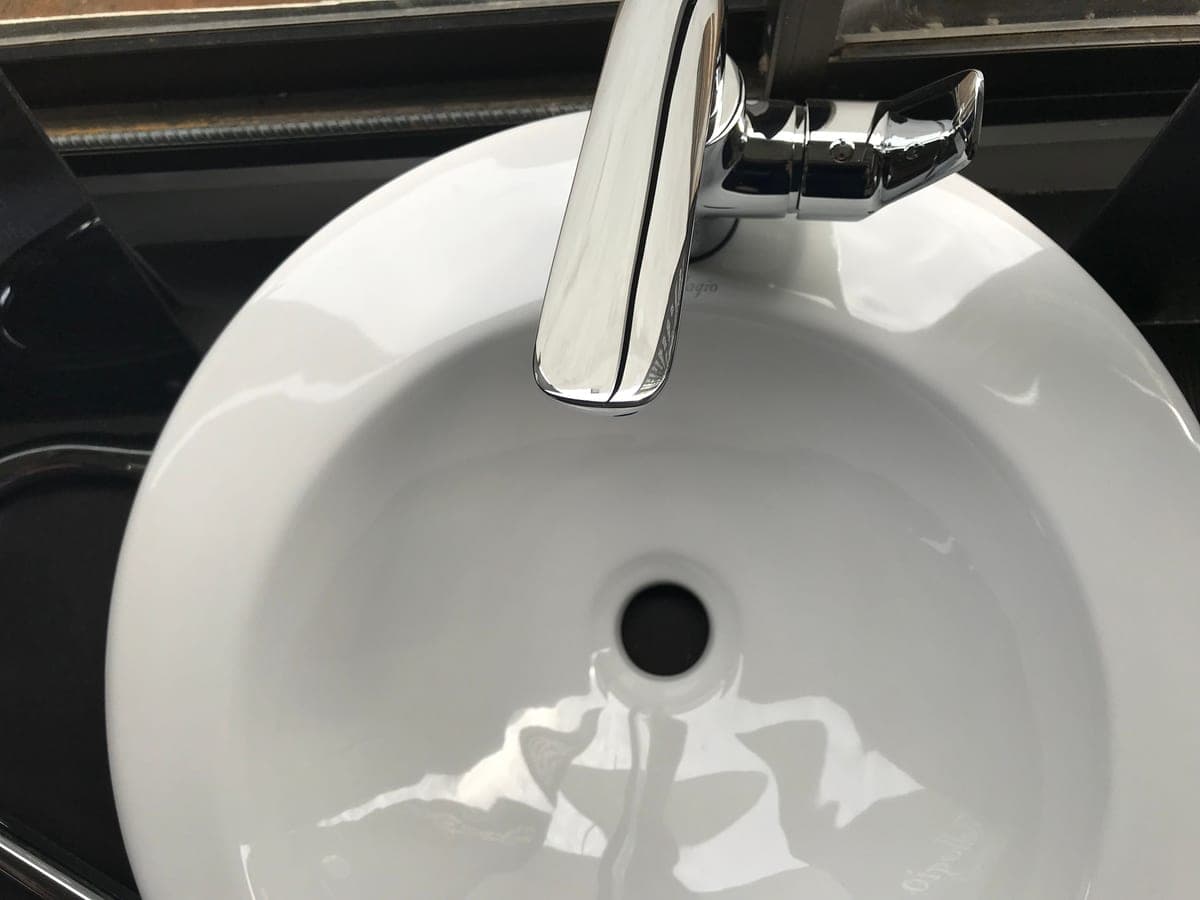
Head to head
16 gauge vs 18 gauge
16 gauge is 25% thicker steel. What that buys, what it does not buy, and why sound-deadening coverage is the spec nobody advertises.
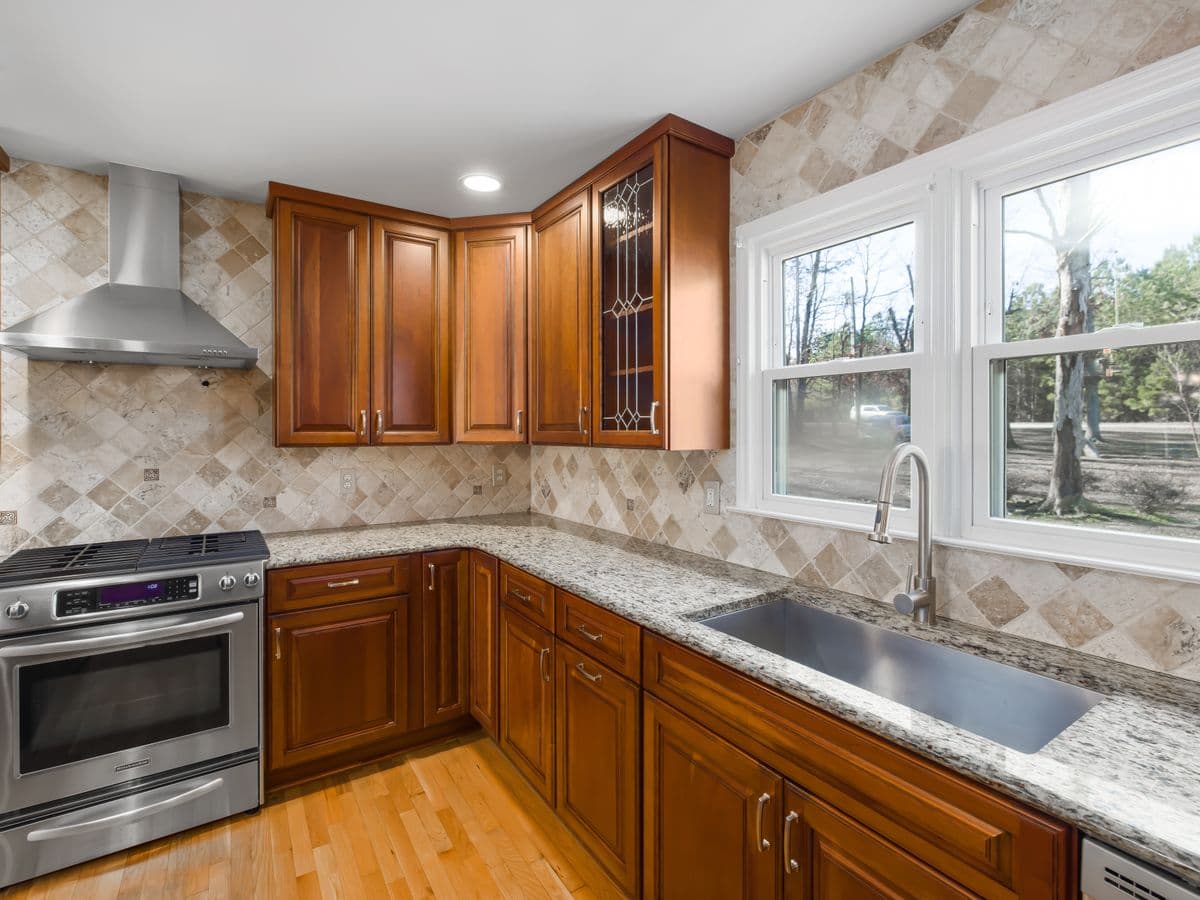
Best stainless sink
Best stainless sinks
Four stainless sinks compared on gauge, depth, drain position and damping coverage — including the 18-gauge one that is still the right buy.
Found something out of date, or a figure you can source better than we did? Tell us — corrections get read first. Our methodology explains how picks are made, and contact is one click away.