Kitchen Faucets
Bridge kitchen faucets, and whether your sink can take one
The most common reason a bridge faucet gets returned is hole spacing. Check the drilling in your sink before you fall for the silhouette.
Disclosure: we earn a commission if you buy through the Amazon links on this page, at no extra cost to you. Commission never decides a verdict or a ranking position — read our editorial policy and affiliate disclosure.
How we assessed these: we compared published manufacturer specifications, read from each maker's own page or spec sheet and linked to the source on every figure. We have not lab-tested these faucets and we do not own them. Where a figure does not exist publicly, the page says so rather than estimating it.
Short answer
A bridge faucet joins two deck-mounted valves with a horizontal tube — the bridge — that carries mixed water to the spout. It needs two holes in the sink deck at the correct spacing, it has two cartridges rather than one, and no bridge faucet can have a pull-down wand. Check your sink's drilling before anything else.
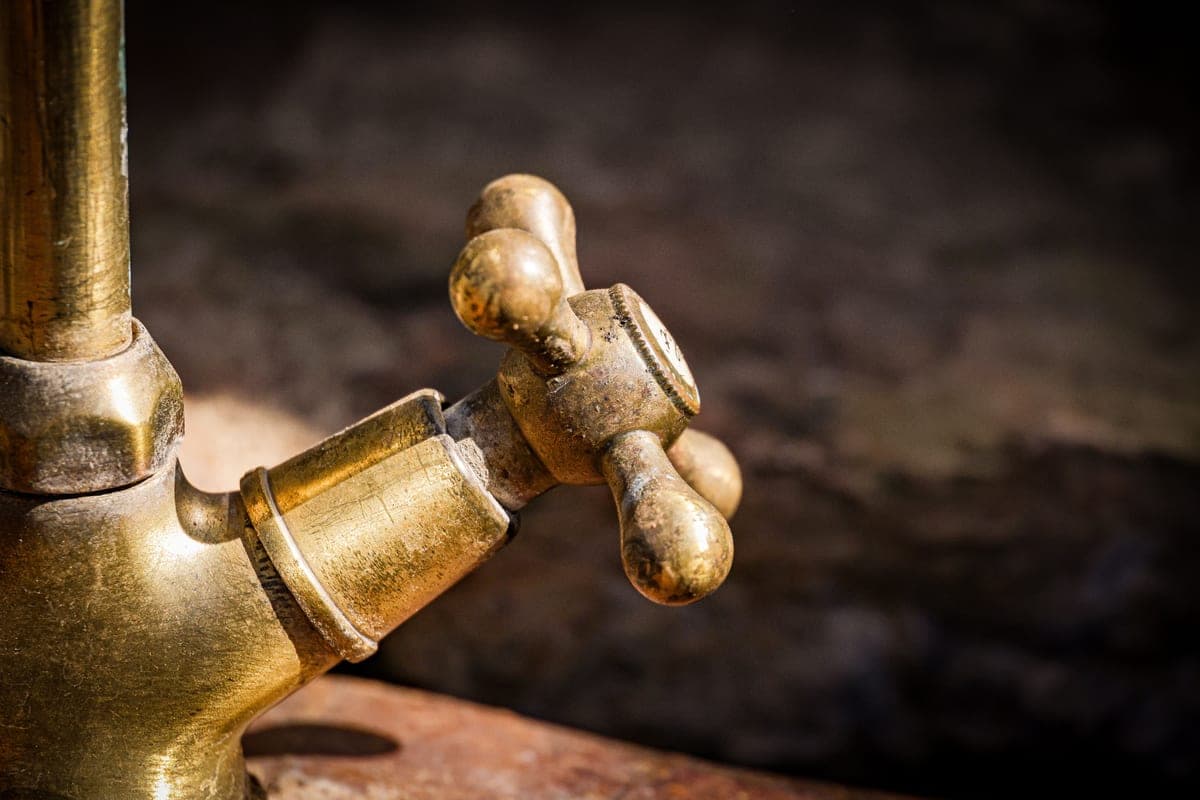
Bridge faucets are the one kitchen faucet style that is genuinely a period reproduction rather than a trend, and the shape follows the plumbing exactly: before mixer valves existed, hot and cold arrived at separate taps and a bridge joined them above the deck. That visible horizontal tube is not decoration. It is the mixing chamber.
Quick picks
Tap any row to jump to the full write-up. There are no scores here because we run no test lab — how picks are chosen is published in full on our methodology page.
| # | Product | Best for | Our read | Price |
|---|---|---|---|---|
| 1 | 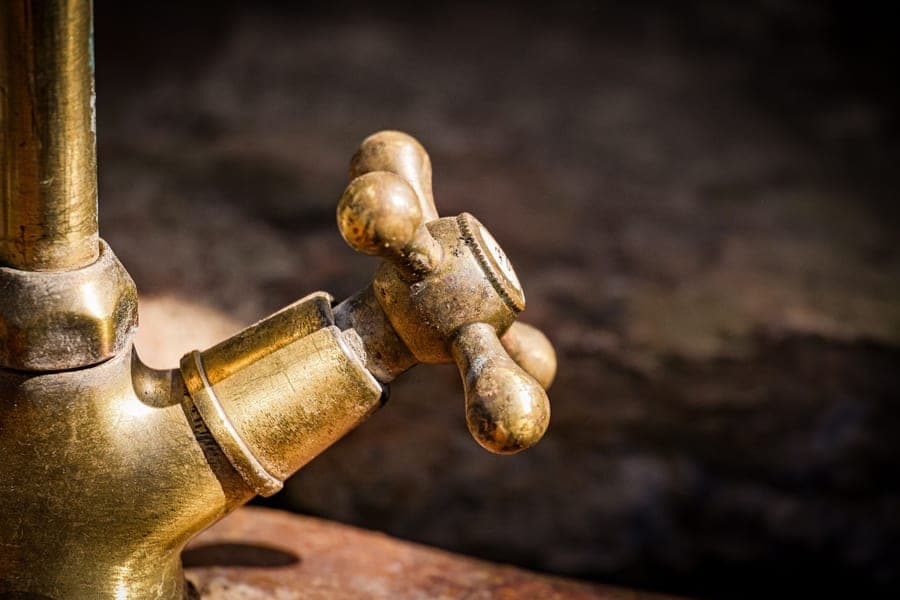 Kohler Artifacts K-76519-4 bridge faucet Best bridge faucet | Period kitchens with two deck holes | A true two-hole bridge from a brand that stocks parts | Check price on Amazon #ad Affiliate link · We publish no price; Amazon shows the current one |
| 2 | 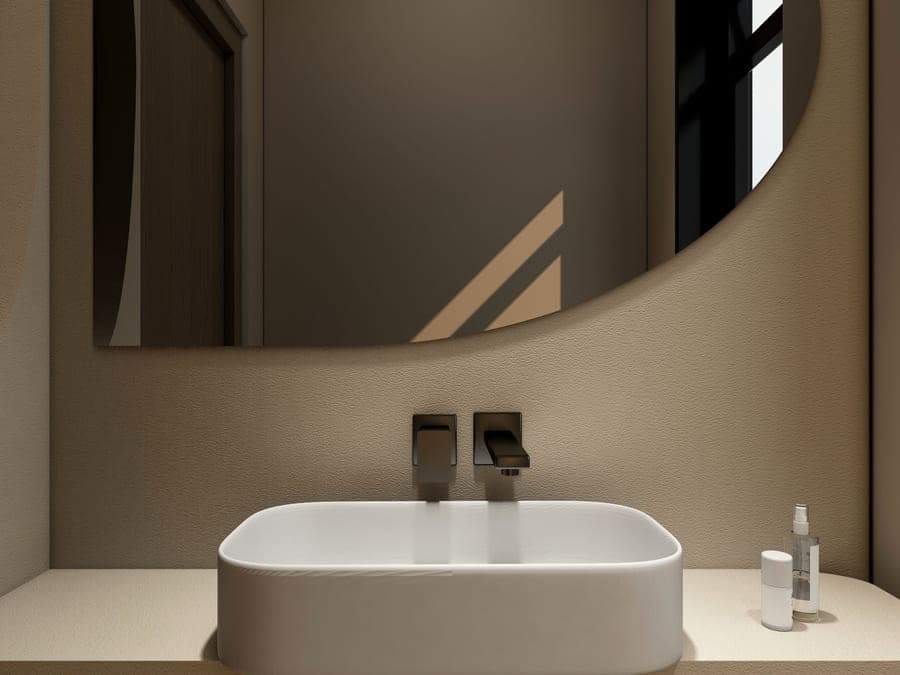 Moen Arbor 7594 The single-hole alternative | Deep pots and hard-water kitchens | One valve, one hole, none of the cleaning | Check price on Amazon #ad Affiliate link · We publish no price; Amazon shows the current one |
The configuration question, which comes before taste
A true bridge faucet is a two-hole installation, and the holes have to be at the spacing the faucet expects — commonly eight inches center to center for a widespread set. A three-hole sink drilled at four-inch centers will not take one. A single-hole sink certainly will not. There are deck-mounted bridge faucets built on a single base plate that bridge the gap visually while mounting through fewer holes; those are a different product, and the listing will say so if you read the mounting specification rather than the description.
If you are buying a new sink anyway, this is easy — specify the drilling. If you are keeping your sink, count and measure first. Our faucet hole configurations page explains what each drilling pattern can and cannot accept.
Two valves means two of everything
A single-handle mixer has one cartridge. A bridge faucet has two, one per handle, and when a bridge faucet drips it is one of those two that has failed. That doubles the maintenance item and makes parts availability the single most important thing about the brand you buy. Kohler stocks parts for discontinued models going back many years; a marketplace-brand bridge faucet with no manufacturer website is a faucet you will replace rather than repair.
The upside of two valves is control: independent hot and cold gives finer temperature adjustment than most single-lever mixers, and a failed cartridge takes out one side rather than the whole faucet.
No wand, and what you get instead
Bridge faucets and pull-down wands are mutually exclusive: the spout on a bridge is a fixed tube fed from the crossbar, so there is nowhere for a hose to run. Manufacturers solve rinsing with a separate side sprayer in its own deck hole — which is how the configuration is supposed to work, and which is why a bridge-plus-sprayer set often needs three holes rather than two.
Photograph shows the product category, not this specific unit. We do not republish manufacturer product photography.
1. Best bridge faucet
Kohler Artifacts K-76519-4 bridge faucet
Kohler · Best for period kitchens with two deck holes
If you want a bridge faucet, buy one from a manufacturer that will still stock parts for it in ten years, because a bridge faucet is a two-valve assembly and the valves are what ages. This is a genuine two-hole bridge with a separate side sprayer, which is how the configuration is meant to work — not a single-hole faucet with a decorative crossbar.
Published specifications
What works
- A true bridge: the horizontal tube is the plumbing, which is the whole point of the style
- Two-hole spacing works on sinks drilled for a widespread set
- Kohler parts availability is the strongest argument for buying a bridge faucet from Kohler
- The side sprayer keeps spray duty off the spout, so the spout stays simple
What does not
- Two valves means two cartridges to replace instead of one
- Bridge faucets are the hardest style to clean around — the crossbar traps splash
- Kohler does not publish a flow rate for every finish of this model, so we do not state one
Skip it if
Skip it if your sink is drilled single-hole, or if you want a pull-down wand — bridge faucets and pull-down wands are mutually exclusive.
#ad Affiliate link · We publish no price; Amazon shows the current one
Raw specifications: Kohler’s own page for the Kohler Artifacts K-76519-4 bridge faucet.
Photograph shows the product category, not this specific unit. We do not republish manufacturer product photography.
2. The single-hole alternative
Moen Arbor 7594
Moen · Best for deep pots and hard-water kitchens
The pull-down to buy if you want the taller arc and a finish that hides water spots. Its 8-1/4" spout height is about half an inch more clearance than the Leland, which is the difference between washing a stock pot and fighting one. The tradeoff is reach: 7-7/8" against 9-3/16", so it works closer to the back of the bowl.
Published specifications
What works
- The 8-1/4" spout height is genuine pot clearance, not decorative arc
- Power Boost concentrates the stream for filling and rinsing without raising the rated flow
- Spot Resist Stainless is the single most useful finish choice in a hard-water house
- Reflex docking has been in Moen's line long enough that replacement wands are easy to find
What does not
- Reach is 7-7/8", over an inch shorter than the Leland — on a wide double bowl you will notice
- Moen publishes no independent noise or durability measurement, and neither do we
- The spot-resist coating is a finish, not armor; abrasive cleaners still dull it
Skip it if
Skip it if you have a wide double-bowl sink and want one faucet to reach both drains comfortably — buy reach instead of height.
#ad Affiliate link · We publish no price; Amazon shows the current one
Raw specifications: Moen’s own page for the Moen Arbor 7594.
When a bridge faucet is the right answer
When you have a period kitchen, an apron-front sink, a sink drilled for widespread taps, and you want the fixture to be the visual center of the room. On those terms it is excellent and nothing else looks like it. Pair it carefully with a farmhouse sink — the high front rim of an apron sink and a fixed bridge spout interact, and best faucet for a farmhouse sink works through the geometry.
When it is the wrong answer: if you rinse a lot of dishes by hand, if your sink is drilled single-hole, or if you would rather have one cartridge to replace than two. In those cases a tall single-hole pull-down does the job with less maintenance and less cleaning, which is why we have listed one here as the alternative rather than pretending the bridge suits everyone.
What to take away
- A bridge faucet needs two deck holes at the right spacing; check your sink's drilling before you shop.
- Two valves means two cartridges, so buy from a brand with a long parts channel.
- No bridge faucet has a pull-down wand — rinsing is handled by a separate side sprayer.
- The crossbar is the hardest faucet feature to clean around, especially in hard water.
How we sourced this page
Every figure on this page came from one of the following. Where a manufacturer or an independent lab does not publish a number, we say so rather than estimate it.
Common questions
- How many holes does a bridge faucet need?
- Two, at the spacing the faucet specifies — commonly eight inches center to center. Add a third if you want the matching side sprayer. A three-hole sink drilled at four-inch centers will not take a widespread bridge faucet, and a single-hole sink cannot take one at all.
- Can you get a bridge faucet with a pull-down sprayer?
- Not a true one. The spout on a bridge faucet is fed from the crossbar and has no route for a hose. Manufacturers offer a separate side sprayer instead, which needs its own deck hole. Any product marketed as a bridge faucet with a pull-down wand is a single-hole faucet with a decorative crossbar.
- Are bridge faucets hard to keep clean?
- Harder than any other style. Splash lands under the crossbar, which is awkward to reach, and in hard water the underside of the bridge is where scale builds up out of sight. It is a real ownership cost, and it is the most common complaint after hole spacing.
- Are bridge faucets outdated?
- They are a period style rather than a trend, which cuts both ways: they never look current and they never look dated. In a traditional kitchen with an apron sink, a bridge faucet is the correct fixture. In a flat-panel modern kitchen it will read as a deliberate contrast, which may or may not be what you want.
More in Kitchen Faucets
Nine times out of ten the faucet that fails you is the one that did not fit — wrong hole count, wrong reach, wrong finish for your water. Start with the measurements and the rest gets easy.
Read next
Best commercial style
Commercial style faucets
The coil-spring look, what it costs you in cleaning, and the one measurement that sends most of them back to the store.
Guide
Faucet hole configurations
What each drilling pattern accepts, the standard hole size, how deck plates work, and what adding a hole really involves.
Guide
Faucet finishes
Every mainstream finish compared on what it hides, what it shows, and whether it is a plating, a PVD coating or living metal.
Best faucet for a farmhouse sink
Best faucet for a farmhouse sink
Why apron sinks change faucet geometry, the two measurements to take, and four faucets that suit the configuration.
Best farmhouse sink
Farmhouse sinks
Apron-front dimensions, the cabinet modification involved, and why self-trimming is the detail that decides the difficulty.
Found something out of date, or a figure you can source better than we did? Tell us — corrections get read first. Our methodology explains how picks are made, and contact is one click away.