Garbage Disposals
Do you need a garbage disposal?
A fair number of kitchens are better off without one. Here is who genuinely benefits, who does not, and what the alternative actually costs.

Disclosure: we earn a commission if you buy through the Amazon links on this page, at no extra cost to you. Commission never decides a verdict or a ranking position — read our editorial policy and affiliate disclosure.
Short answer
You need a disposal if you generate a lot of unavoidable wet food waste and have municipal sewer service. You do not need one if you compost, if you are on a septic system you would rather not load, or if your waste is mostly packaging and dry scraps. A strainer and a caddy is a complete alternative for a few dollars.
Almost everything written about garbage disposals assumes you are buying one. This page does not. A disposal is a good appliance for a specific job, and there are kitchens where it solves nothing and adds a maintenance item.
You probably do want one if
- You cook from raw ingredients most days, so there is genuine wet trimming waste rather than packaging.
- You are on municipal sewer service, where the solids leave the property.
- Your bin collection is fortnightly and food waste in a bin for two weeks is the problem you are actually solving.
- You have no outdoor space for a compost bin, or a balcony where one is impractical.
- Somebody in the house is scraping plates into the sink anyway — a disposal at least handles that properly.
You probably do not want one if
- You already compost. A compost bin takes everything a disposal takes, plus the things a disposal cannot, and produces something useful.
- You are on a septic system and would rather not increase solids loading — see disposals and septic systems.
- Your municipality collects food waste separately, which makes a disposal a way of putting compostable material into the sewer instead.
- You mostly heat prepared food, in which case the waste is packaging and the sink sees very little.
- Your under-sink cabinet has no room, and gaining it means re-plumbing. That is a lot of work for an appliance you were unsure about.
The dishwasher question, answered properly
"Do I need a garbage disposal for a dishwasher?" is one of the most common questions in this category and the answer is no. A dishwasher does not require a disposal. What it requires is somewhere to discharge, and that can be a dedicated tailpiece connection on a standard drain assembly just as easily as the inlet on a disposal body.
The connection is straightforward either way, and on a disposal the inlet plug has to be knocked out before use — which is the single most common cause of a dishwasher that will not drain after a new disposal is fitted. Our install guide flags it at the right moment, because it is easy to miss and annoying to discover.
What the alternative actually costs
| Garbage disposal | Strainer and caddy | |
|---|---|---|
| Up-front cost | Unit plus installation | A few dollars |
| Under-sink space used | 11-1/2 to 15 in of height | None |
| Electrical requirement | An outlet, and a switch or air switch | None |
| Ongoing maintenance | Cleaning, occasional jams, eventual replacement | Emptying the caddy |
| What it handles | Soft and fibrous wet waste | Everything, including bones and pits |
| Where the waste goes | The sewer or your septic tank | Compost or the bin |
The honest reading of that table: the alternative is cheaper, simpler and handles more. The disposal wins on convenience at the moment of scraping a plate, and that convenience is genuinely worth something to a lot of households. It is just worth being clear that it is convenience you are buying rather than capability.
Quick picks
Tap any row to jump to the full write-up. There are no scores here because we run no test lab — how picks are chosen is published in full on our methodology page.
| # | Product | Best for | Our read | Price |
|---|---|---|---|---|
| 1 |  OXO Good Grips silicone sink strainer If the answer is no | Catching scraps without plumbing | The whole alternative, for a few dollars | Check price on Amazon #ad Affiliate link · We publish no price; Amazon shows the current one |
| 2 | 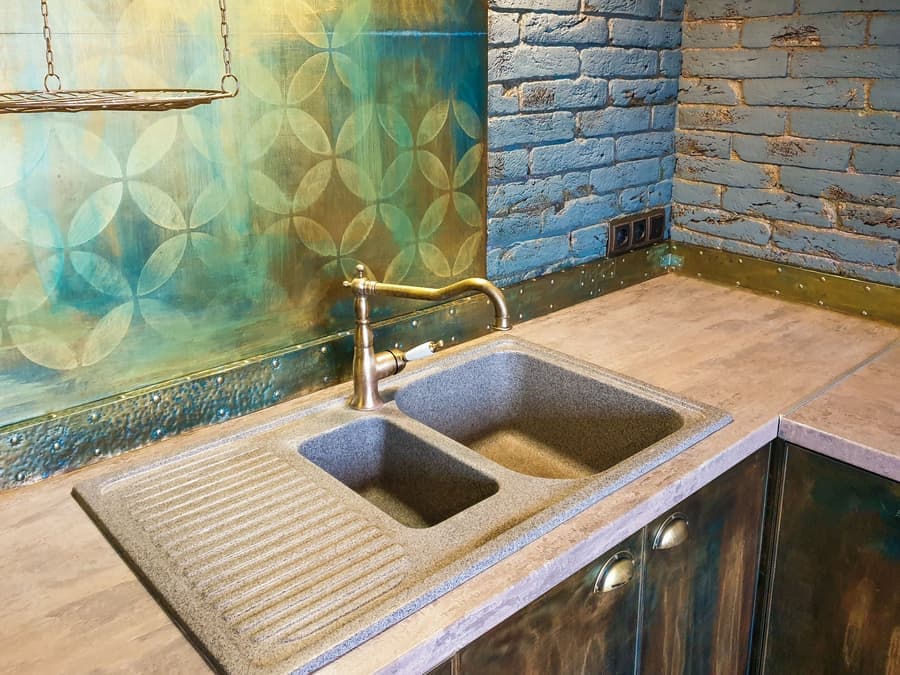 InSinkErator Evolution .75HP If the answer is yes | Households of three to five | Three stages, stainless, 9-year in-home warranty | Check price on Amazon #ad Affiliate link · We publish no price; Amazon shows the current one |
| 3 |  InSinkErator Badger 5 If yes but rarely used | One or two people, tight cabinets | Cheapest working unit, shortest body | Check price on Amazon #ad Affiliate link · We publish no price; Amazon shows the current one |
If you decide no, do this instead
- Fit a drop-in strainer in the drain. It stops coffee grounds and rice — the two things that genuinely clog kitchen drains — from reaching the trap.
- Keep a lidded caddy on the counter for wet waste. The lid is the difference between a habit that lasts and one that does not.
- If your sink has no basket strainer or the existing one leaks, replace the whole assembly with a brass one — see best sink strainers.
- Run hot water and detergent down the drain weekly. That is most of what a disposal's flushing action was doing for you.
Photograph shows the product category, not this specific unit. We do not republish manufacturer product photography.
1. If the answer is no
OXO Good Grips silicone sink strainer
OXO · Best for catching scraps without plumbing
The right answer for most people asking about a sink strainer: a flexible silicone basket that drops into a standard drain, lifts out by a handle, and goes in the dishwasher. It is the cheapest way to stop the two things that actually clog a kitchen drain — coffee grounds and rice.
This manufacturer does not publish a specification table for this product. Rather than repeat figures we cannot source, the assessment here is limited to what the product category and the manufacturer's own listing genuinely establish.
What works
- Drops in and lifts out — no tools, no plumbing, no commitment
- Silicone flexes, so you can invert it over the bin instead of picking debris out
- Dishwasher safe, which is the difference between a strainer you empty and one you avoid
- Fits standard drain openings, including over a disposal
What does not
- Does not hold water for soaking — it is a screen, not a stopper
- Sits visibly in the sink, which some people dislike
- Silicone eventually stains from turmeric and tomato
Skip it if
Skip it if the drain assembly itself is failing or leaking — that needs a basket strainer replacement, not a screen.
#ad Affiliate link · We publish no price; Amazon shows the current one
Raw specifications: OXO’s own page for the OXO Good Grips silicone sink strainer.
Photograph shows the product category, not this specific unit. We do not republish manufacturer product photography.
2. If the answer is yes
InSinkErator Evolution .75HP
InSinkErator · Best for households of three to five
The disposal we would fit in most houses. Three-quarters of a horsepower with three-stage grinding and stainless grind components is the point on the range where fibrous waste stops being a gamble, and SoundSeal makes it noticeably quieter than a Badger. The nine-year in-home warranty is the longest of any InSinkErator continuous-feed unit we checked.
Published specifications
- Motor
- 3/4 HP Dura-Drive induction source
- Grind stages
- Three-stage MultiGrind source
- Grind components
- Stainless steel source
- Overall height
- 12.25" source
- Sound
- SoundSeal — quieter than a standard disposal source
- Septic
- Safe for properly maintained septic tanks source
- Warranty
- 9-year We Come to You limited service warranty source
What works
- Three grind stages and stainless components — the two specs that decide whether fibrous scraps jam
- Only three-quarters of an inch taller than a Badger 5, so it fits most cabinets that took one
- Nine-year in-home warranty, which is a real statement about expected service life
- EZ Connect cord and hardwire adapter in the box, so it suits either wiring situation
What does not
- InSinkErator publishes no decibel figure, and neither do we — SoundSeal is a comparison, not a measurement
- 3/4 HP still stalls on bones and fruit pits; no domestic disposal is a bone grinder
- Chamber capacity is not published for this model
Skip it if
Skip it if you are one or two people who scrape plates and little else — you would be paying for capability you will not use.
#ad Affiliate link · We publish no price; Amazon shows the current one
Raw specifications: InSinkErator’s own page for the InSinkErator Evolution .75HP.
Photograph shows the product category, not this specific unit. We do not republish manufacturer product photography.
3. If yes but rarely used
InSinkErator Badger 5
InSinkErator · Best for one or two people, tight cabinets
The baseline every other disposal is measured against, and an honest buy for a small household as long as you know what you are getting: half a horsepower, one grind stage, and galvanized steel grind components rather than stainless. It is short at 11-1/2", which is often the deciding factor in a shallow cabinet.
Published specifications
What works
- Shortest unit here at 11-1/2" — it fits cabinets a 1 HP unit cannot
- Cheapest route to a working disposal from the brand with the best parts availability
- Genuinely adequate for soft scraps: peelings, plate scrapings, coffee grounds
- In-home warranty service rather than ship-it-back
What does not
- Galvanized grind components, not stainless — this is the real difference between Badger and Evolution
- One grind stage, so fibrous waste like celery and corn husks is where it stalls
- No sound insulation of any kind, and the product page makes no noise claim
Skip it if
Skip it if you cook for four or more, or if anything fibrous goes down the drain. Buy 3/4 HP with three stages instead.
#ad Affiliate link · We publish no price; Amazon shows the current one
Raw specifications: InSinkErator’s own page for the InSinkErator Badger 5.
What to take away
- A disposal buys convenience, not capability — the strainer-and-caddy alternative handles more waste for less money.
- A dishwasher does not need a disposal. It needs a drain connection, which a standard assembly provides.
- On septic, the case for not fitting one is stronger than anywhere else.
- If you compost or your city collects food waste, a disposal mostly diverts compostable material into the sewer.
How we sourced this page
Every figure on this page came from one of the following. Where a manufacturer or an independent lab does not publish a number, we say so rather than estimate it.
Common questions
- Do I need a garbage disposal for a dishwasher?
- No. A dishwasher needs somewhere to discharge, and a standard drain assembly with a dishwasher tailpiece does that job as well as a disposal inlet does. If you do fit a disposal, remember to knock out the dishwasher inlet plug — forgetting is the most common cause of a dishwasher that will not drain afterwards.
- Is a garbage disposal worth it?
- It is worth it if you generate genuine wet food waste, are on municipal sewer, and value not having that waste sitting in a bin. It is not worth it if you compost, if your city collects food waste separately, or if you are on a septic system you would rather not load.
- Do I have a garbage disposal?
- Look under the sink: a disposal is a cylindrical unit bolted to the underside of the sink drain, roughly the size of a large coffee tin, with a power cord or conduit. Above the sink, a disposal opening takes a removable rubber splash guard rather than a basket strainer with a stopper.
- What can I use instead of a garbage disposal?
- A drop-in drain strainer plus a lidded counter caddy for wet waste, emptied into a compost bin or the food-waste collection. It costs a few dollars, takes no under-sink space, needs no electricity, and handles bones and fruit pits — which no disposal does.
More in Garbage Disposals
Horsepower is the number on the box and it is not the number that decides whether your disposal jams. Grind stages and component material do. Here is how the three fit together.
Read next
Head to head
Continuous vs batch feed
How each type starts, the safety argument for batch feed, the workflow cost, and where an air switch fits in.

Best for septic systems
Disposals and septic systems
What septic-safe actually means, why grind fineness matters more than a badge, and how it changes your pumping interval.

Best sink strainer
Best sink strainers
Basket strainer or drop-in screen — what each does, which fits a disposal, and the two worth buying.
Guide
Disposal sizing and fit
A height chart for common units, the two measurements to take first, and what thin or deep sinks change.
How to
Install a garbage disposal
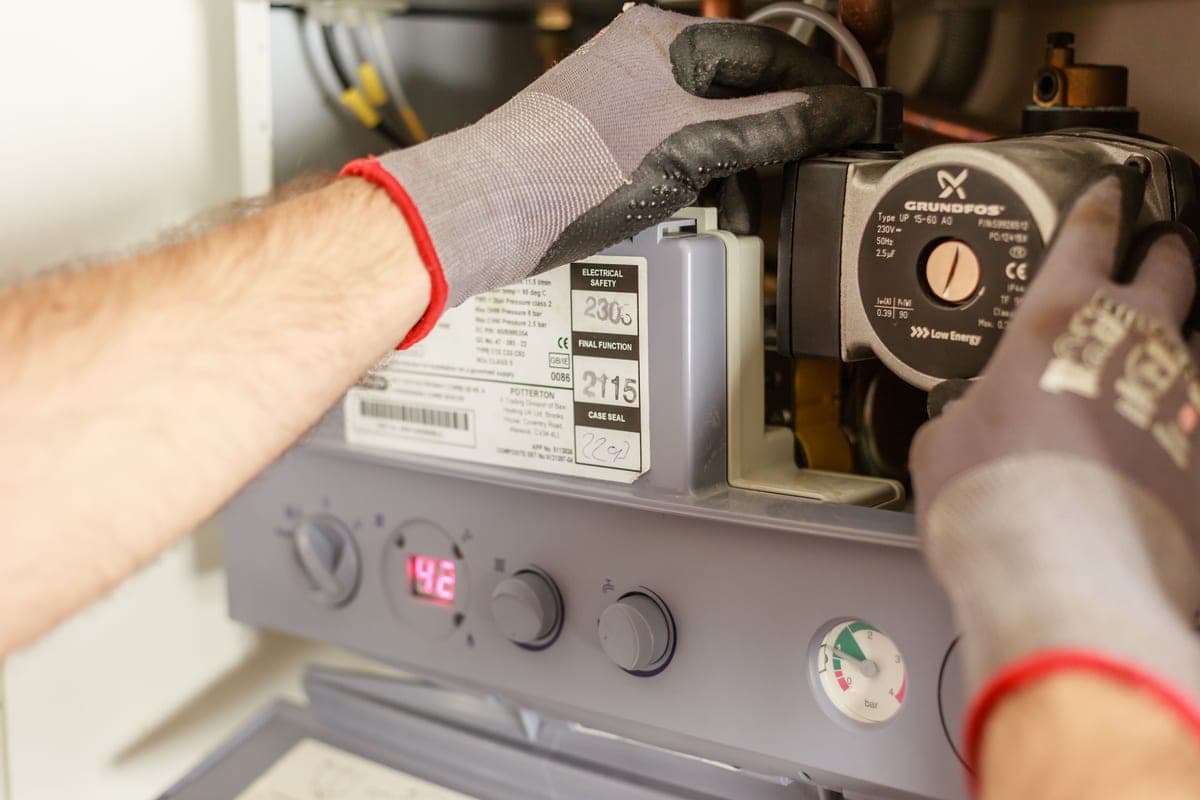
Flange, mounting ring, trap and electrical — plus the dishwasher inlet plug that stops a new install draining.
Found something out of date, or a figure you can source better than we did? Tell us — corrections get read first. Our methodology explains how picks are made, and contact is one click away.