Garbage Disposals
Garbage disposal air switches, and why they are safe at the sink
The button pushes air down a tube to a relay under the sink. No mains voltage goes anywhere near your hand, which is the entire point.
Disclosure: we earn a commission if you buy through the Amazon links on this page, at no extra cost to you. Commission never decides a verdict or a ranking position — read our editorial policy and affiliate disclosure.
Short answer
An air switch is a button that pushes air down a small tube to a relay module under the sink, which switches the disposal. No mains voltage reaches the button, which is why it can be mounted in a wet countertop. It needs a 1-1/4 inch hole and an existing AC outlet below the sink — it is a switch, not a power source.
If your kitchen has no wall switch for the disposal, you have three options: add a wall switch (electrical work, and often a wall to open), buy a batch-feed disposal that starts from its own cover, or fit an air switch. The air switch is usually the cheapest and least disruptive, and the mechanism is worth understanding because it explains why it is safe.
How it works
Three parts. A button in the countertop or sink deck. A length of flexible tube from the button down into the cabinet. A power module that the disposal plugs into, which contains a pneumatic relay and plugs into a live outlet. Press the button and the small volume of air displaced down the tube trips the relay, which toggles power to the disposal.
That is the whole design, and its safety property follows directly: the only thing traveling up to the button is air. InSinkErator's SinkTop Switch kit is specified with a 33-inch power module cord, a six-foot air tube and a chrome button, and works with all disposals — not only its own.
What you need before buying one
- A live AC outlet under the sink. The module has to plug into something. An air switch does not create power, and if there is no outlet you are calling an electrician anyway.
- A 1-1/4 inch hole in the countertop or sink deck. This is the specification that decides whether the job is DIY.
- Cabinet space for the module. It is small, but it needs somewhere to sit where it will not be kicked or soaked.
The hole, which is the whole question
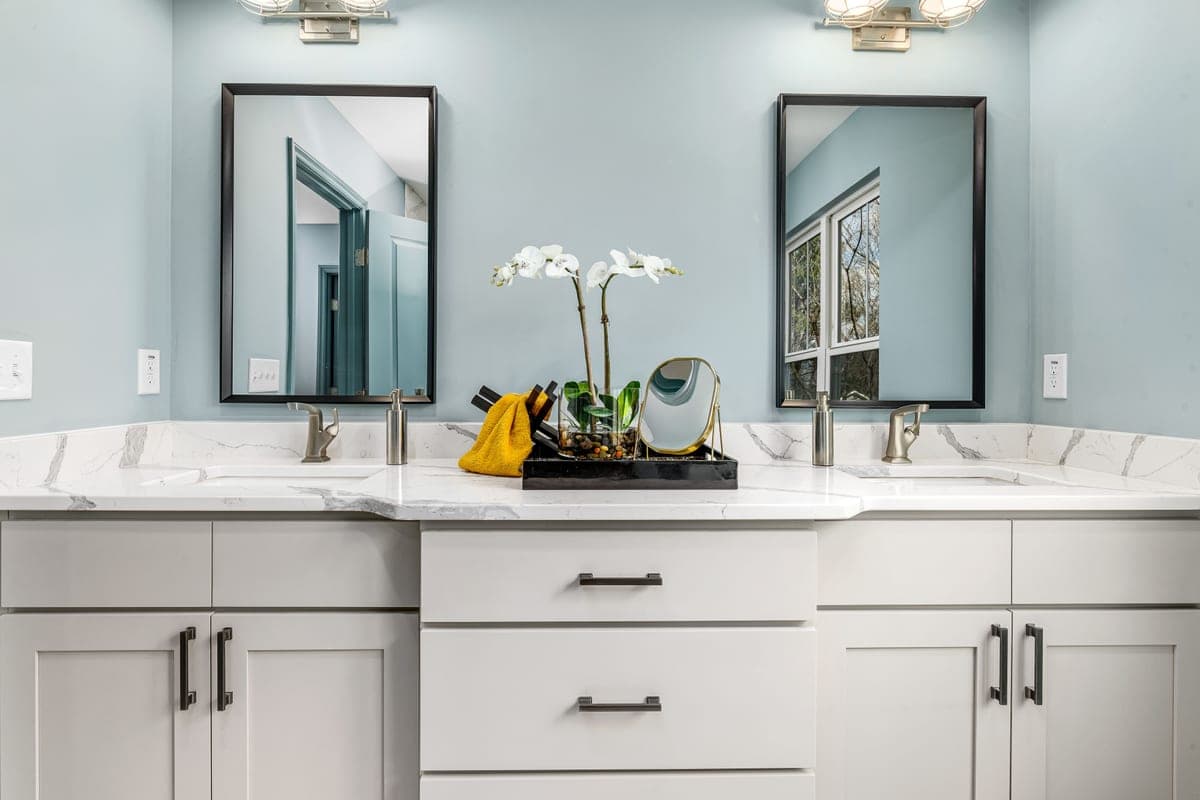
If your sink has a spare deck hole — from a soap dispenser you never fill, or a side sprayer replaced by a pull-down faucet — you already have the hole, and installation is twenty minutes. That is the ideal case and it is common, because converting a three-hole sink to a single-hole faucet leaves spare holes behind. See faucet hole configurations.
Drilling a new hole in stainless steel is a genuine DIY job with a step bit, cutting oil and patience. Drilling granite or quartz is not: it needs a diamond core bit with continuous water cooling, and a cracked countertop is replaced rather than repaired. If the counter is stone and there is no spare hole, get a fabricator to drill it or buy a batch-feed disposal instead.
Quick picks
Tap any row to jump to the full write-up. There are no scores here because we run no test lab — how picks are chosen is published in full on our methodology page.
| # | Product | Best for | Our read | Price |
|---|---|---|---|---|
| 1 | 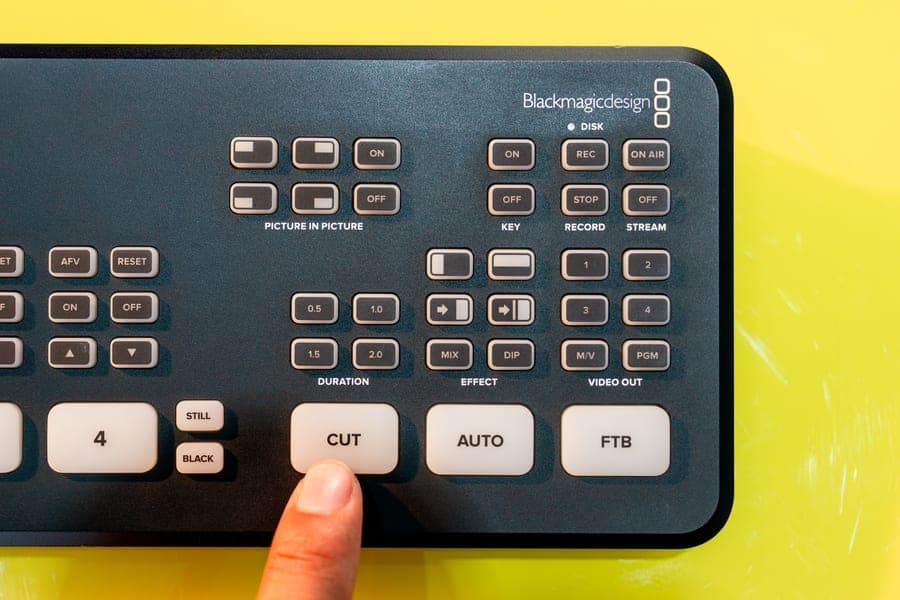 InSinkErator SinkTop Switch (dual outlet) The air switch to buy | Kitchens with no wall switch | Dual outlet, 1-1/4 inch hole, works with any disposal | Check price on Amazon #ad Affiliate link · We publish no price; Amazon shows the current one |
| 2 |  InSinkErator Evolution Cover Control The alternative with no switch at all | Households with small children | Batch feed starts from its own cover | Check price on Amazon #ad Affiliate link · We publish no price; Amazon shows the current one |
Single outlet or dual
Dual-outlet modules switch one outlet and leave the second permanently live, which means the same module can power an instant hot water tank or a filtered-water pump without a second outlet. The InSinkErator SinkTop Switch is a dual-outlet unit for exactly this reason. If there is any chance of adding an instant-hot in future, buy dual — it costs very little more and saves an electrician later.
Buttons, finishes and placement
Buttons come in matching kitchen finishes, and this is one of the rare cases where matching is easy: keep the air switch button in the same brand family as the faucet and soap dispenser and they will agree. Place it where you can reach it while standing at the sink but not where you lean — the back-right corner of the deck is the conventional spot, and it is conventional because it works.
One practical note: the button needs a few inches of clearance beneath the deck for its body and the tube's bend radius. Check what is directly below your chosen position before you drill.
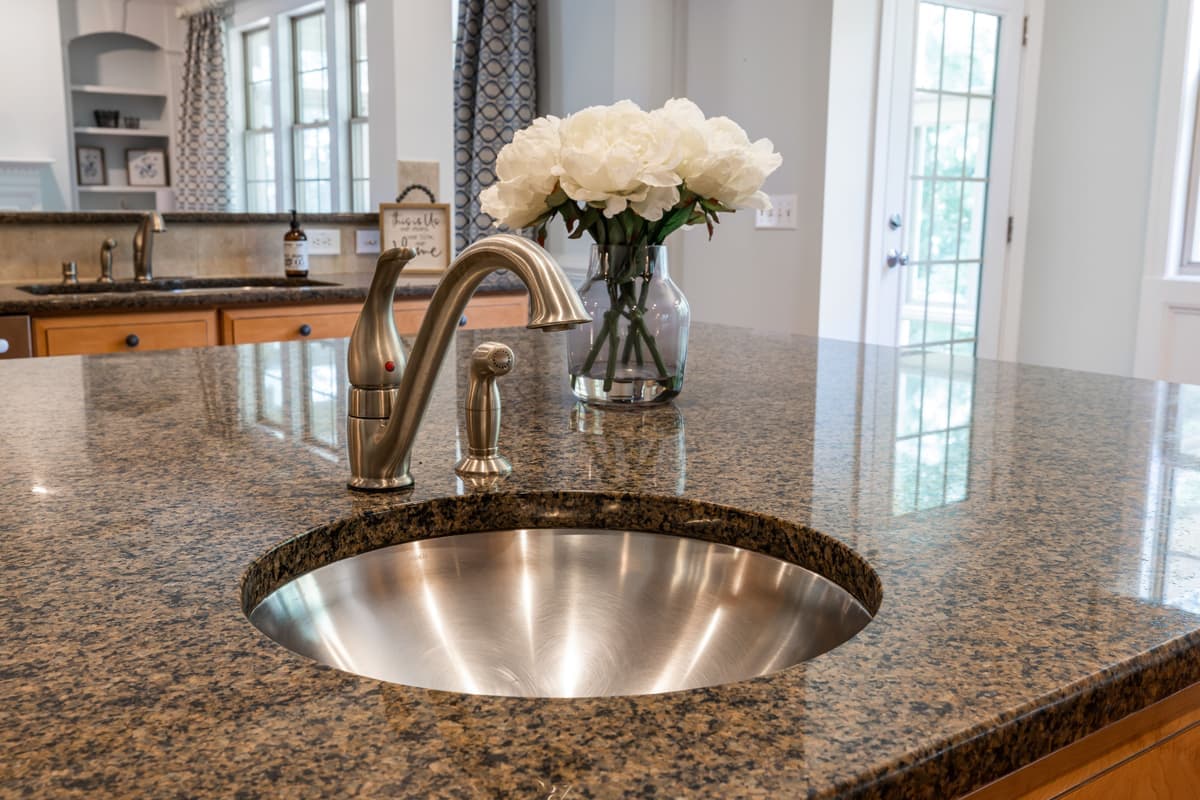
Photograph shows the product category, not this specific unit. We do not republish manufacturer product photography.
1. The air switch to buy
InSinkErator SinkTop Switch (dual outlet)
InSinkErator · Best for kitchens with no wall switch
The right way to add disposal control to a kitchen with no wall switch, because it moves no electricity: the button pushes air down a tube to a relay module under the sink. That is why it can sit in a wet countertop. It needs a 1-1/4" hole and a live outlet below, and it will not create power that is not there.
Published specifications
What works
- No mains voltage at the button, which is precisely why it belongs near a sink
- Works with any disposal, not only InSinkErator units
- Dual outlet means it can also feed an instant-hot tank later
- Installs in an existing soap-dispenser or sprayer hole on many sinks
What does not
- Needs a 1-1/4" hole — in granite or quartz that is a diamond bit and a careful hand, or a trade call
- Still needs a live outlet under the sink; it is a switch, not a power source
- One-year warranty, the shortest of anything in this registry
Skip it if
Skip it if you already have a working wall switch. It solves a missing-switch problem, not a convenience one.
#ad Affiliate link · We publish no price; Amazon shows the current one
Raw specifications: InSinkErator’s own page for the InSinkErator SinkTop Switch (dual outlet).
Photograph shows the product category, not this specific unit. We do not republish manufacturer product photography.
2. The alternative with no switch at all
InSinkErator Evolution Cover Control
InSinkErator · Best for households with small children
The batch-feed pick, and the only disposal here that cannot run with the drain open. A magnet in the cover starts it, so there is no wall switch and no way for a spoon — or a hand — to be in the chamber while the motor turns. That is the entire argument for batch feed, and in a household with small children it is a good one.
Published specifications
What works
- Cannot run uncovered, which removes the one genuine safety failure mode of a continuous-feed disposal
- No wall switch to install, a real saving if there is no switch there now
- Same 3/4 HP three-stage grinding platform as the continuous-feed Evolution
- Nine-year in-home warranty
What does not
- At 14.95 inches it is the tallest unit here, and batch-feed bodies are wide as well as tall
- You cannot feed scraps continuously while rinsing — the workflow is genuinely slower
- The cover is a part that can be lost, and the disposal will not run without it
Skip it if
Skip it if you scrape a sink full of prep waste in one go and want to run water over it as it grinds. Buy continuous feed and an air switch.
#ad Affiliate link · We publish no price; Amazon shows the current one
Raw specifications: InSinkErator’s own page for the InSinkErator Evolution Cover Control.
When a batch-feed disposal is the better answer
If there is no wall switch, no spare deck hole, and a stone countertop you do not want drilled, a batch-feed disposal solves the problem with no switch at all: the cover is the switch. It is taller, it is slower to use and it costs more, and it removes the entire switching question. The comparison is on continuous feed vs batch feed.
What to take away
- An air switch moves air, not electricity — that is why it belongs in a wet countertop.
- It needs a 1-1/4 inch hole and a live outlet under the sink. It does not create power.
- A spare deck hole makes it a twenty-minute job; a stone countertop with no spare hole makes it a fabricator's job.
- Buy dual-outlet, so the same module can run an instant-hot tank later.
How we sourced this page
Every figure on this page came from one of the following. Where a manufacturer or an independent lab does not publish a number, we say so rather than estimate it.
Common questions
- How does a garbage disposal air switch work?
- Pressing the button displaces a small volume of air down a flexible tube to a pneumatic relay in a module under the sink, which toggles power to the disposal. No mains voltage reaches the button, which is why an air switch can safely be mounted in a countertop next to water.
- Do air switches need electricity?
- The module does — it plugs into a live AC outlet under the sink and the disposal plugs into it. The button itself carries only air. InSinkErator's SinkTop Switch states that AC power must be available below the sink.
- What size hole does an air switch need?
- 1-1/4 inches in diameter for the InSinkErator SinkTop Switch. A spare soap-dispenser or side-sprayer hole in the sink deck is usually the right size or can be adapted, which makes installation straightforward if you have one.
- Can I install an air switch in a granite countertop?
- It can be done, but not with ordinary tools: it needs a diamond core bit with continuous water cooling, and a cracked stone top is replaced rather than repaired. Use a fabricator, use an existing hole in the sink deck, or fit a batch-feed disposal that needs no switch.
More in Garbage Disposals
Horsepower is the number on the box and it is not the number that decides whether your disposal jams. Grind stages and component material do. Here is how the three fit together.
Read next
Head to head
Continuous vs batch feed
How each type starts, the safety argument for batch feed, the workflow cost, and where an air switch fits in.
Guide
Faucet hole configurations
What each drilling pattern accepts, the standard hole size, how deck plates work, and what adding a hole really involves.
How to
Install a garbage disposal
Flange, mounting ring, trap and electrical — plus the dishwasher inlet plug that stops a new install draining.
Best garbage disposal
Best garbage disposals
Five disposals compared on the three specs that actually predict performance — and the height measurement that decides fit.

Guide
Do you need a disposal?
The honest yes-and-no, the dishwasher question answered properly, and what the no-disposal alternative costs.
Found something out of date, or a figure you can source better than we did? Tell us — corrections get read first. Our methodology explains how picks are made, and contact is one click away.